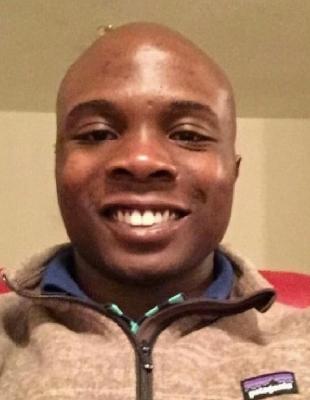
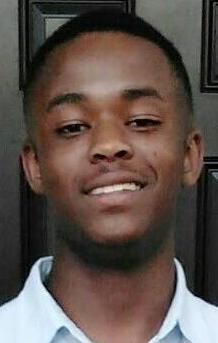
In the late hours of a February evening in Douglas, Georgia, a dispute between two individuals would tragically escalate, claiming the life of a young man who sought to be a peacemaker. Kavozia Walker, a 22-year-old African American male, was at the Georgian Wood Apartments on February 20, 2016, when he witnessed an altercation and stepped in to intervene. His attempt to de-escalate the situation would prove to be his final act.
As Walker tried to break up the fight, another man, Brandon Levi Williams, made a fateful decision. Williams retrieved a handgun from his vehicle, approached Walker, and fired a single shot, striking him in the neck. In a desperate attempt to defend himself, Walker drew his own firearm, but it jammed, leaving him defenseless. He succumbed to his injuries shortly after the shooting. The entire tragic incident was captured on the apartment complex's security cameras, providing crucial evidence for the investigation that would follow.
In the aftermath of the shooting, Brandon Levi Williams fled the state, managing to evade law enforcement for approximately two months. He was eventually located and apprehended in Hollywood, Florida, in April 2016. On May 25, 2016, a grand jury indicted Williams on charges of malice murder and possession of a firearm by a convicted felon.
During his trial in March 2017, Williams claimed he acted in self-defense, alleging that Walker had entered his apartment and pointed a gun at the occupants. However, the prosecution presented a different narrative, supported by the security footage, which showed the shooting occurred in the parking lot, not inside an apartment. They argued that Williams had removed himself from the initial confrontation only to return with a weapon and fatally shoot Walker. The jury ultimately found Williams guilty of both malice and felony murder. He was sentenced to life in prison without the possibility of parole. In 2022, Williams sought a new trial, arguing ineffective assistance of counsel and that the court had not considered a sentence of life with the possibility of parole. The Georgia Supreme Court, however, found no reversible error in the original trial and upheld his conviction and sentence.