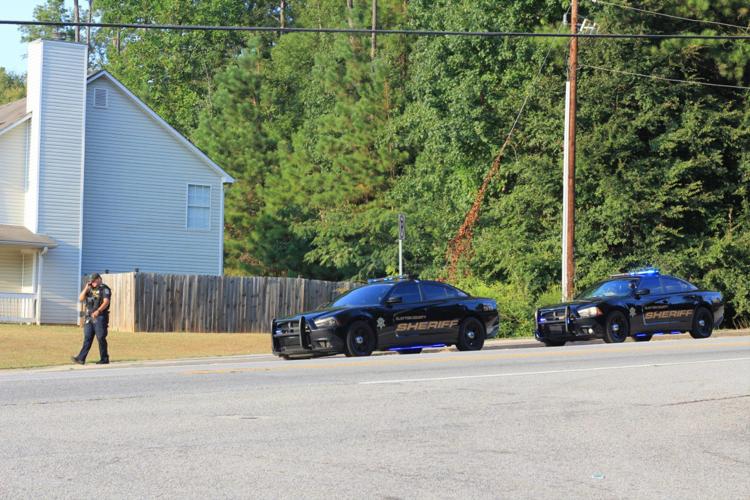
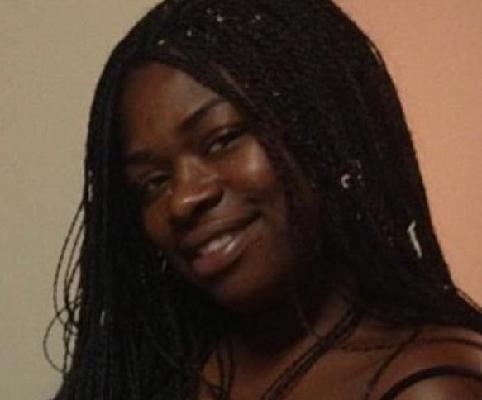
Alexia Jackson, a 19-year-old Black woman, died on June 1, 2016, in a case that unfolded with heartbreaking suddenness behind Twiggs County Middle-High School in Jeffersonville, Georgia. That morning, a school custodian discovered Jackson and her boyfriend, 18-year-old Knickolous Jones, dead inside a car parked behind the school. Early coverage described the scene as a double shooting that stunned both Jeffersonville and the larger Middle Georgia area, especially because the two were young, had
reportedly been dating for about two years, and were said to be students at the University of West Georgia. Jackson was identified in news reports as being from Macon, while Jones was from Jeffersonville.
As investigators worked the scene, Sheriff Darren Mitchum said the evidence increasingly pointed away from the idea of an unknown gunman and toward a murder-suicide inside the vehicle. According to the sheriff, Jackson shot Jones while he was seated in the front seat, firing from the back seat, and then turned the gun on herself. He also said the weapon used came from Jackson’s home. By the day after the bodies were found, Mitchum told reporters investigators were “100 percent sure” that this was what had happened, even though they still could not explain why. The case carried the awful weight of unanswered motive: there was a conclusion about how the deaths occurred, but no public explanation for what drove the violence.
Because investigators publicly concluded that Jackson was the shooter and that she then died by suicide, reports from the time did not indicate any outside suspect, arrest, or later criminal prosecution connected to her death. The story, instead, moved into mourning. Friends and family gathered for a candlelight vigil, praying, releasing balloons, and trying to make sense of a tragedy that had shattered two families at once. In the end, the case was not remembered as a manhunt or a courtroom drama, but as a deeply painful closed investigation: a young woman dead, a young man dead, and a community left with grief and the kind of questions that official findings do not always answer.