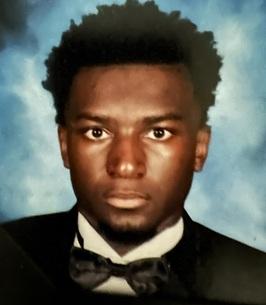
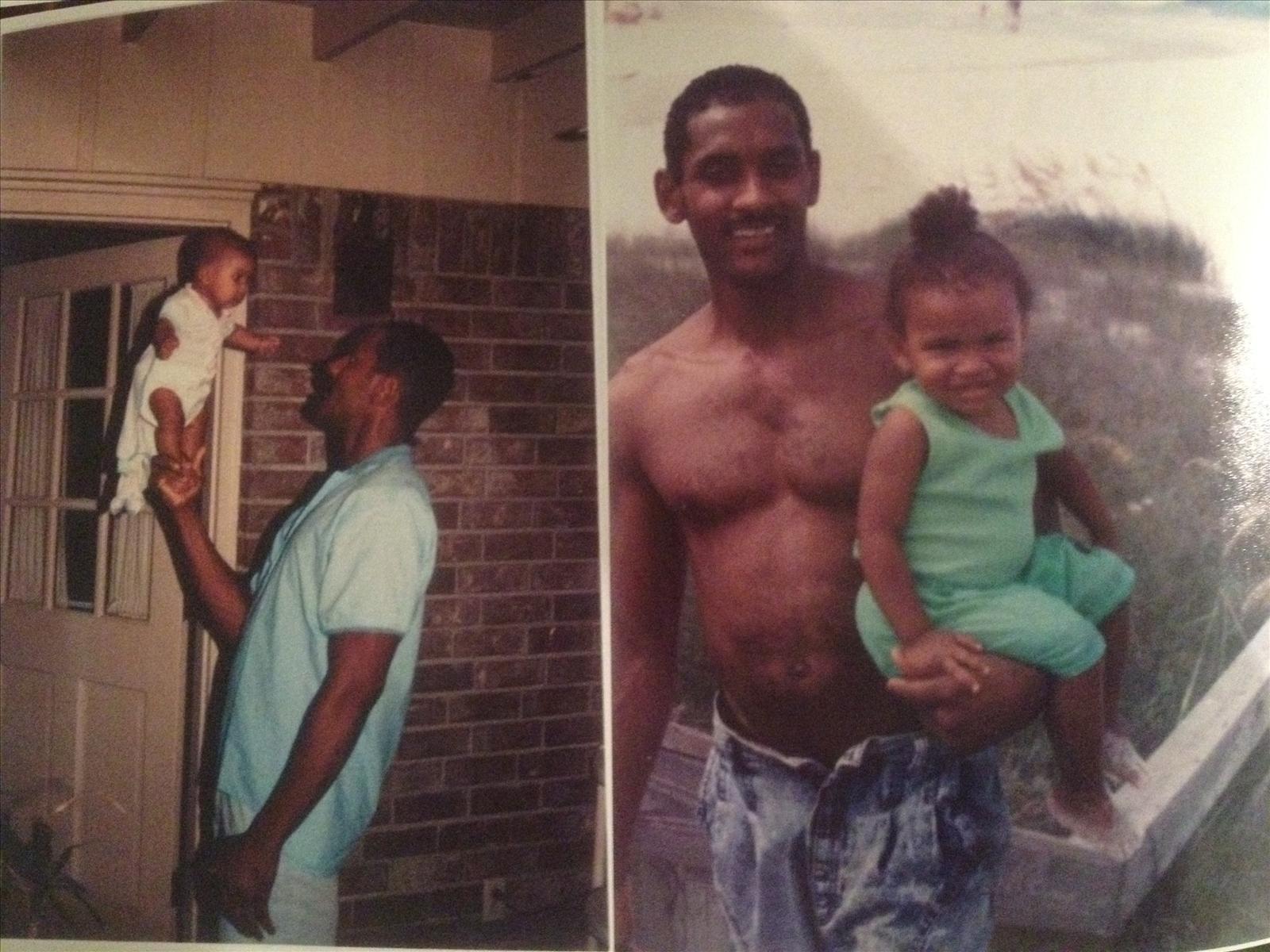
In the late summer of 2016, the life of Seth Xavier Gaston, a 22-year-old African American male, was tragically cut short. On the afternoon of August 8, first responders were called to Waters Road in southwest Atlanta where Gaston had been found unresponsive along the side of the road. He was suffering from what would later be confirmed as multiple gunshot wounds, including one to his head. Rushed to Grady Memorial Hospital, his life could not be saved, and he was pronounced dead.
The initial investigation left authorities uncertain whether the young man from the Atlanta suburb of Hapeville had been shot at that location and left for dead, or if his body had been brought there after a violent encounter elsewhere.
The authorities quickly classified Gaston's death as a homicide, triggering an intensive investigation into the circumstances that led to his killing. Over the following months, detectives conducted numerous interviews and meticulously gathered evidence to piece together the final moments of his life. Witnesses reported hearing gunshots in the area where he was discovered, which supported the forensic findings. The investigation revealed that his death was the result of a violent altercation, though a clear motive was not immediately established by law enforcement. The case drew attention from the community, with many hoping for answers and justice for the young man's family.
Nearly two months after Seth Gaston's death, a significant breakthrough occurred in the case. On September 19, 2016, Atlanta police arrested 24-year-old Emmanuel Bryant in connection with the murder. Bryant was subsequently charged with murder and other related offenses and was booked into the Fulton County jail. As the case against the primary suspect progressed through the judicial system, it was marked by pre-trial hearings and various legal motions from both the prosecution and the defense. Throughout this process, Gaston's family remained a vocal presence, advocating for a thorough and fair trial to ensure that the person responsible for his death would be held accountable for their actions.