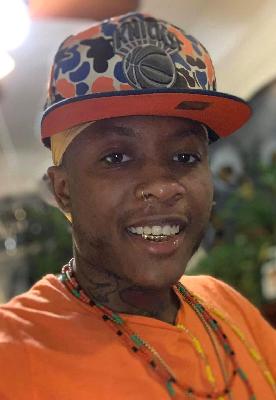
In the late morning chill of a February day in Augusta, Georgia, the life of 34-year-old Jazna O. Timmons came to a tragically violent end. On February 9, 2018, while at her job at the Georgia War Veterans Nursing Home, Jazna was shot in the facility's parking lot. The attack was targeted and rooted in domestic turmoil. Her estranged husband, 29-year-old Richard Lyle Timmons Jr., was identified as the shooter.
The Richmond County Coroner confirmed that Jazna had been shot at least once and was pronounced dead at the scene at 11:30 a.m. The incident prompted lockdowns at nearby Augusta University and Paine College as law enforcement began their search for the armed and dangerous suspect.
The investigation quickly revealed a history of fear and violence. Just days before her murder, Jazna had filed for divorce from her husband, expressing in the petition that she was afraid of him. She had confided in co-workers about her fears, citing his struggles with bipolar disorder, depression, and post-traumatic stress disorder, for which he reportedly refused to take medication or seek counseling. In the immediate aftermath of the shooting, Richard Timmons Jr. fled, managing to elude authorities for nearly a week. The search for him concluded on February 15, 2018, when he was apprehended by U.S. Marshals at an airport in Fort Worth, Texas. He was subsequently charged with murder and possession of a firearm during the commission of a crime.
The legal proceedings that followed brought to light a dark and generational history of violence. In May 2019, Richard Lyle Timmons Jr., then 30, pleaded guilty but mentally ill to the charge of malice murder. Security footage from the nursing home captured the horrific event, showing him chasing his estranged wife, shooting her once in the hip, and then standing over her to deliver the fatal shot to her head. His defense attorney revealed a deeply traumatic childhood, explaining that at the age of eight, Richard had witnessed his own father murder his stepmother and two brothers. In exchange for his plea, which acknowledged his mental illness at the time of the crime, he was sentenced to life in prison with the possibility of parole. As part of his plea deal, he also surrendered his parental rights.