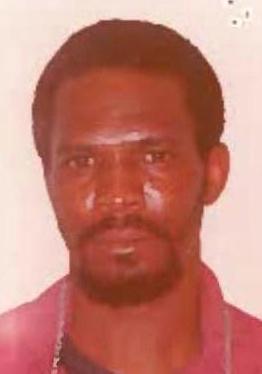
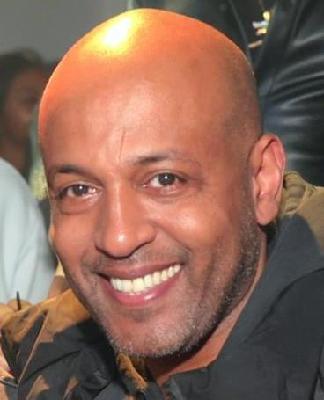
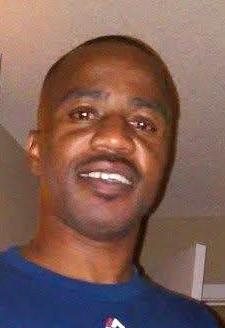
In the Buckhead neighborhood of Atlanta on a February evening in 2018, a dispute over a food delivery escalated into a fatal shooting that claimed the life of 30-year-old Ryan Thornton. A recent graduate of Morehouse College with a degree in political science, Thornton had just embarked on a new job. On the night of February 17, he and his fiancée ordered a meal using the Uber Eats app.
The evening took a tragic turn when the Uber Eats driver, Robert Bivines, arrived with their order.
Surveillance footage from outside Thornton's condominium captured the moments leading up to the shooting. After Thornton retrieved his food from Bivines' white Volkswagen, an exchange of words appeared to take place between the two men. Thornton began to walk away but turned back towards the vehicle twice, continuing the conversation. During the second time he approached the car, Bivines, who was 36 years old at the time, fired a gun multiple times, striking Thornton. The driver then fled the scene. Despite being wounded, Thornton managed to call his fiancée, who was inside their condo, to tell her he had been shot. She rushed outside to help him and called 911. Thornton was transported to a local hospital where he later died from his injuries.
Following the shooting, Robert Bivines turned himself in to the police a few days later. He was subsequently charged with murder. During legal proceedings, Bivines' defense attorney argued that his client acted in self-defense, claiming that Thornton had been aggressive and that Bivines believed he was reaching for a weapon. However, prosecutors maintained that Thornton was unarmed and posed no threat. They argued that Bivines intentionally shot Thornton, firing some of the shots after Thornton had already fallen to the ground.
In November 2018, a jury found Robert Bivines guilty of malice murder, felony murder, aggravated assault, and possession of a weapon during the commission of a felony. He was sentenced to life in prison plus an additional five years. Following the criminal trial, Thornton's family filed a lawsuit against Uber, alleging that Bivines' prior criminal history, which included a conviction for battery, should have disqualified him from working as a delivery driver for the company.