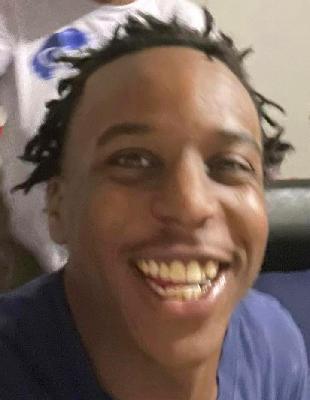
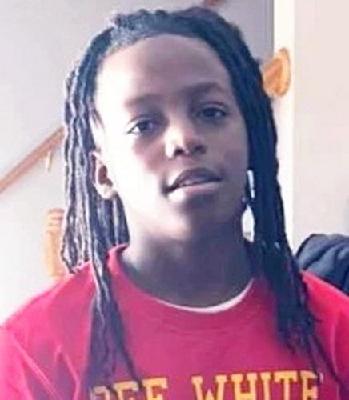
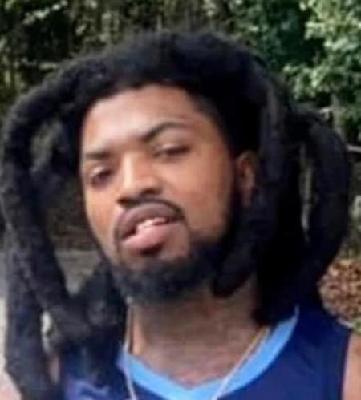
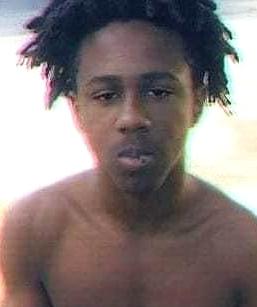
Marquan Shyiheem Patten, a 23-year-old Black man, was killed in the early morning hours of July 14, 2020, after a meeting in Augusta, Georgia turned violent. Local reports said Patten, who was also identified in coverage as Marquan Doyle and was from Aiken, South Carolina, was found inside a vehicle on Service Drive just off Milledge Road and was pronounced dead at the scene at about 3:36 a.m.
His obituary placed his death in Augusta and remembered him as a 2015 graduate of South Aiken High School and a member of Montmorenci Baptist Church, adding a quieter human outline to a case that otherwise entered the news in the language of warrants, gunfire, and rushed investigation.
As investigators began piecing together what happened, the picture that emerged was not of a random shooting but of a planned meeting that went terribly wrong. According to local crime reporting that cited Richmond County warrants and sheriff’s information, the encounter began as a supposed firearm purchase. Authorities alleged that Marqwez Warney and Christopher McCrary arranged to meet Patten and Lewis Wigfall, but that the real intention on at least part of the arranging side was robbery. During that meeting, a gunfight broke out. One report said Patten was shot in the head during the exchange, and the burst of violence left not only Patten dead but also two younger participants wounded.
The first arrests came quickly. On the day of the killing, Warney, then 17, and Wigfall, then 16, were both charged with murder in Patten’s death. Reports said Warney was also accused of criminal attempt and possession of a firearm during the commission of a crime, while Wigfall was held as an adult and taken into the juvenile detention system on the initial murder accusation. By the next day, investigators had announced a third suspect: Christopher McCrary, 21, who was also charged with murder. Coverage at the time said authorities believed more arrests were possible, though the same reporting noted that while investigators believed girls may also have been involved in setting up the meeting, no charges against them had been announced in those early accounts.
What remains striking in the public record is how much of the case’s known story was established almost immediately: a late-night meeting, a gun deal that investigators said was really a robbery setup, a gunfight, and three people charged with responsibility for Patten’s death. In the online sources I found, the clearest publicly available reporting centers on those arrests and the investigators’ early theory of the case. I did not find clear, reliable later online reporting showing final trial outcomes or convictions tied to Patten’s killing, so the public trail available on the open web appears to stop, or at least thin out sharply, after the initial charging stage.