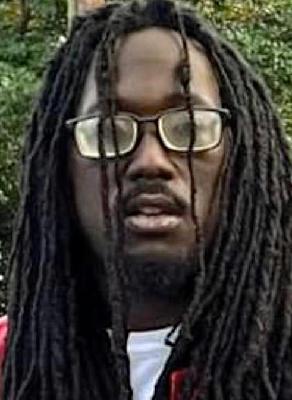
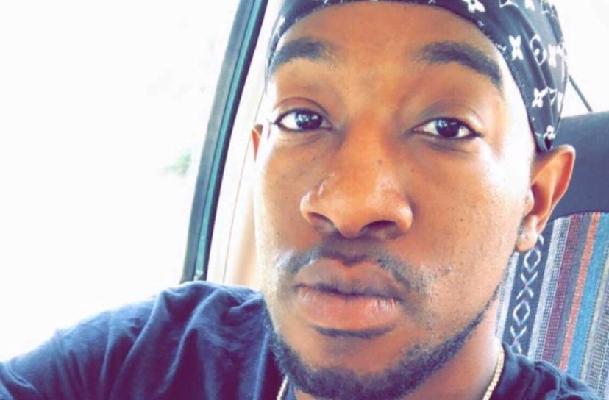
Terrence Seldon, a 27-year-old Black man from Columbus, Georgia, was caught in violence on the night of Aug. 13, 2020, near the intersection of Fairway Avenue and Anne Street, where he was found with two gunshot wounds as homicide investigators moved into the area and began piecing together what had happened. Public memorial and obituary records place his death in the same narrow window, though some later notices listed Aug. 14 instead, suggesting the shooting happened late on Aug.
13 and his death may have been recorded after midnight. What is clear across the public reporting is that his life ended in a shooting that left another Columbus family grieving and searching for answers.
The picture that emerges from the online sources is a brief but haunting one: a man down in the dark, a neighborhood suddenly turned into a crime scene, and investigators trying to understand who fired the shots and why. The available public reports do not offer much in the way of motive or a detailed reconstruction of the moments before the gunfire. Instead, they leave the case suspended in that familiar uncertainty that follows so many street killings, where the first facts arrive quickly, but the deeper story can remain hidden behind silence, fear, or the absence of witnesses willing to speak openly.
As for arrests, suspects, or court action tied specifically to Terrence Seldon’s killing, the public online sources I found do not identify a named suspect, do not report an arrest in his case, and do not show a publicly reported prosecution connected to his death. That absence is part of the tragedy surrounding the case: Terrence Seldon’s name appears in memorial records and in brief public accounts of the shooting, but the online trail does not appear to show the kind of follow-through that would answer who was responsible. In the public record available on the open web, his death remains documented, but the question of accountability appears unresolved.