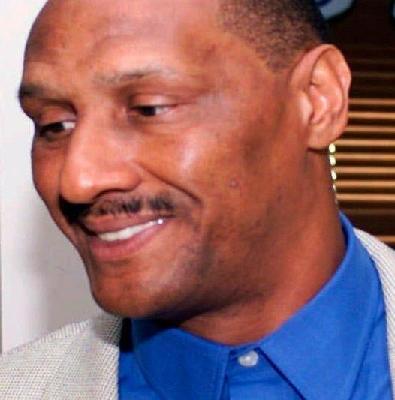
Ernest Isaiah Hemphill, a 51-year-old Black man, died after a shooting in Macon, Georgia, on March 24, 2021. In the dark just after midnight, deputies were called to the parking lot of the Advance Auto Parts store at 3230 Mercer University Drive on a report that someone was down. When they arrived, they found Hemphill unconscious, shot multiple times in the upper body. He was rushed to Atrium Health Navicent, but he did not survive.
Local reporting described his killing as Bibb County’s 10th homicide of the year, another sudden loss in a city already struggling through a violent stretch.
As the first reports came together, the scene was still full of unanswered questions. Investigators said they were trying to piece together what led to the shooting in the store parking lot, and at that stage they had released no information about any suspect or suspects. Two days later, Bibb County Coroner Leon Jones publicly identified the victim as Ernest Hemphill and said officials had not yet been able to locate his family, which gave the case an even lonelier air in its early public telling. Authorities asked anyone with information to contact the Bibb County Sheriff’s Office or Macon Regional Crime Stoppers.
What emerges from the online record is the outline of a man whose life ended violently in a public place, with the basic facts of the shooting established quickly but the larger story left frustratingly incomplete. The local news reports available online say Hemphill was found in the parking lot, badly wounded, and later pronounced dead, but they do not describe a publicly identified motive, confrontation, or sequence of events leading up to the gunfire. Those same reports also do not show a named suspect, announced arrest, or filed charges tied to his death. In the public reporting I was able to locate online, the case remained at the stage of an active homicide investigation, with law enforcement still appealing for tips rather than presenting a resolution.
Hemphill’s death was also memorialized elsewhere online simply as another life lost to gun violence in Macon, a stripped-down remembrance that confirms the date and place but cannot fill in what the investigation left unsaid. That is part of what makes the case read like an unfinished story: a man collapsed in a parking lot after midnight, multiple gunshot wounds, a hospital trip that ended in death, and then silence where names, arrests, and courtroom developments might have been expected. Based on the online sources I found, the public record remains centered on the killing itself and the authorities’ early plea for information.