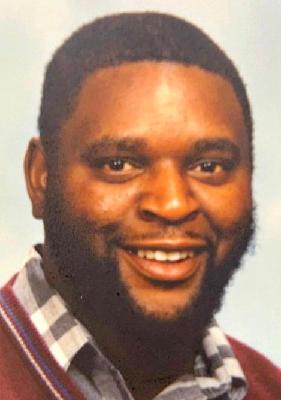
Milton Heath, a 35-year-old Black man, lost his life on June 29, 2021, inside a home on Hazelnut Drive in Grovetown, Georgia, in a killing that left behind not just a crime scene, but the kind of pain that settles heavily over everyone connected to it. Police were called to the residence that morning, and when they arrived, they found Heath dead from gunshot wounds.
What should have been another ordinary day instead became the day his life ended, and from that moment on, the people who knew him were left to face the terrible reality that he would never walk back through the door again.
In the hours and days that followed, investigators worked to understand what had happened inside that house. The case quickly turned toward someone within the circle of people closest to the home. Authorities identified Emonte Foster as the person they wanted to question, and as police searched for him, the case carried the awful weight of a tragedy that seemed deeply personal. This was not the kind of violence that felt distant or unknowable. It appeared rooted in conflict close to home, the kind that leaves lasting wounds far beyond the moment the shots were fired.
Only a few days later, Foster was taken into custody in the early morning hours of July 3, 2021. Authorities charged him with murder and a weapons offense in connection with Heath’s death. Later reporting said Foster was the teenage son of Heath’s girlfriend, adding another heartbreaking layer to the case. According to that reporting, Foster claimed the shooting happened after an altercation and a struggle over the gun before he fled the scene with the weapon. Those details painted the picture of a sudden, violent confrontation inside a family setting, one that spiraled into irreversible loss.
What makes Milton Heath’s death especially painful is the human closeness of it all. Cases like this do not end when officers leave the scene or when charges are filed. They echo through families, through neighborhoods, and through every memory left behind. A man who was alive one moment was gone the next, and the aftermath became a chain of grief, accusation, and unanswered emotion. For the people who cared about him, the facts of the case may explain the investigation, but they cannot soften the absence he left behind.
The public reporting available identifies Emonte Foster as the suspect and the person arrested in the case. It shows that charges were brought, but it does not clearly establish a final conviction or sentence from the sources reviewed. So the story that remains publicly visible is one of a fatal shooting, a swift investigation, an arrest, and a life cut short in circumstances that were as intimate as they were devastating. Milton Heath’s death stands as more than a case file from Grovetown. It is the story of a man whose life ended violently and whose loss became part of a painful chapter that those around him were left to carry.