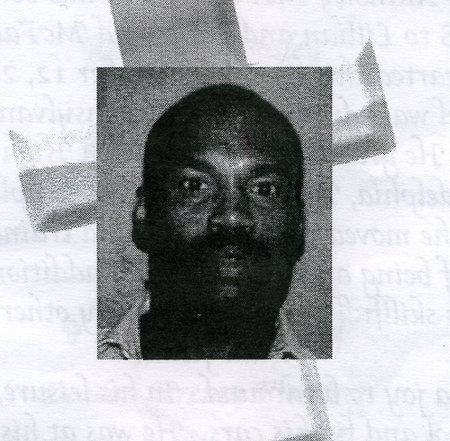
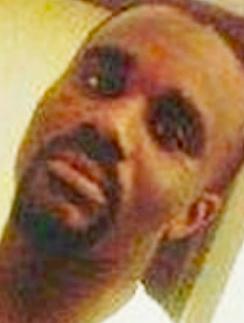
In the autumn of 2012, the quiet Waverly neighborhood of Baltimore was unsettled by a grim discovery that marked another entry into the city's list of violent deaths. On a Wednesday afternoon in late September, family members, concerned after not hearing from him, went to check on 41-year-old David Ervin at his home in the 3600 block of Old York Road. Their worst fears were realized when they found him inside, the victim of a fatal gunshot wound.
The discovery was a shock to those who knew him and a somber call to attention for the local authorities.
The investigation into the death of the male victim began promptly, with Baltimore police detectives canvassing the area and looking for any leads that might shed light on the circumstances of his death. It was revealed that the night before Ervin's body was found, police had been called to the same block for a report of shots fired. However, upon their arrival, they were unable to find any evidence of a shooting. This eerie prelude to the discovery of Ervin’s body suggested a timeline for the tragic event, a fleeting moment of violence that went unnoticed until it was too late. The medical examiner would later confirm that Ervin's death was a homicide caused by the gunshot wound.
Despite the initial investigation and the classification of his death as a homicide, public online sources and news reports in the years that followed have not provided any information regarding arrests or the identification of any suspects in the murder of David Ervin. His case, like many others, appears to have gone cold, leaving a lingering sense of unresolved justice for a life cut short. The narrative of his death, as it is publicly known, ends with the initial flurry of police activity and the unanswered questions that hang in the air long after the crime scene tape has been taken down.