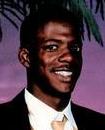
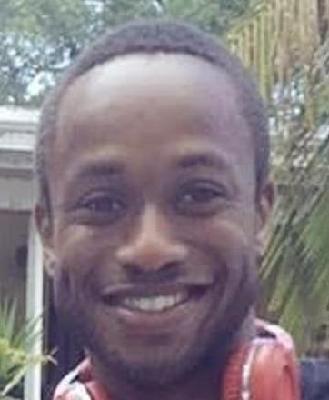
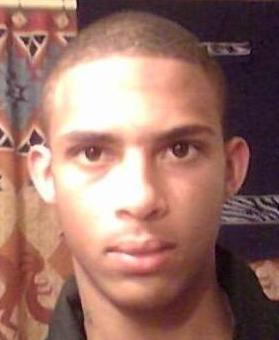
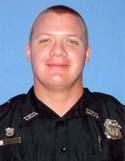
Detective Gerald A. Rauft, a dedicated member of the Tampa Police Department, tragically lost his life on July 24, 1981, during an undercover operation aimed at purchasing 100 pounds of marijuana. The operation took place inside a small block house located at 1410 E. 29th Avenue in Tampa, Florida. During the transaction, a shootout erupted, resulting in Detective Rauft being fatally wounded by gunfire.
His colleague, Officer Robert Ulricksen, was also seriously injured but survived the incident.
The aftermath of Detective Rauft's death saw the apprehension of four suspects involved in the shootout. The primary shooter, a 28-year-old man, was initially declared mentally incompetent to stand trial and was committed to a mental institution. However, in 1986, he was deemed competent and subsequently convicted of first-degree murder. He was sentenced to death, but this sentence was later commuted to life in prison on May 5, 2012. The shooter remained incarcerated until his death on May 30, 2020.
Detective Rauft's death had a profound impact on the Tampa Police Department and the community he served. He was remembered as a dedicated officer who had served with the department for eight years. His sacrifice was honored by his colleagues and the community, who continued to reflect on his bravery and commitment to law enforcement. Detective Rauft is survived by his wife and two daughters, who have had to cope with the loss of a husband and father taken too soon.
The legal proceedings following the incident were complex and drawn out over several years. The initial declaration of mental incompetence for the shooter delayed the trial, but the eventual conviction and sentencing provided some measure of justice for Detective Rauft's family and colleagues. The case highlighted the dangers faced by law enforcement officers, particularly those involved in undercover operations, and underscored the importance of mental health evaluations in the judicial process.