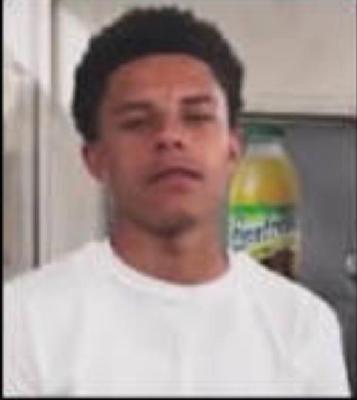
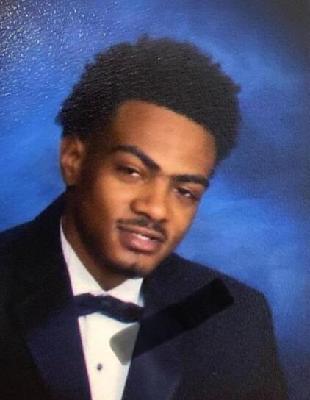
Antonio Foster, 35, a Black man from Baltimore, was found dead on the morning of January 30, 2014, inside a parked vehicle on the 1500 block of Cole Street in the city’s Mt. Clare area. Police were dispatched to the scene around mid-morning after reports drew officers to the block, and what they found was grim: Foster and a woman were seated in the car, both killed by gunfire, their deaths treated immediately as a homicide investigation.
In the early hours of that Thursday, the vehicle sat quietly along the street as the neighborhood woke up around it, giving no warning of what had happened inside. Investigators described the killings in the context of the city’s violence at the time, with the pair’s deaths coming during a particularly deadly stretch in Baltimore. The nature of the shooting was characterized in reporting as execution-style, with the victims shot in the head, suggesting a targeted attack rather than a stray-bullet tragedy.
As detectives worked the scene and began tracing the victims’ last movements, the case carried the familiar, frustrating weight of many urban homicides: a public place, a private moment, and a killer who vanished before anyone could give police a clear direction. The woman killed alongside Foster was identified in reporting as Sheena Gamble, and their deaths were counted together among Baltimore’s early-2014 homicide tally.
In the public reporting available about the Cole Street killings, no suspect or suspects were identified, and no arrests, charges, trials, or convictions were announced in connection with Foster’s death. What remains, instead, is the stark image of a parked car turned into a crime scene, and a case defined as much by what investigators were still trying to learn as by what was already heartbreakingly clear.