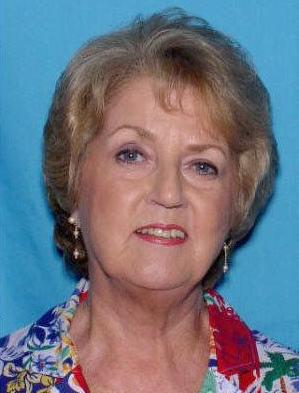
Carolyn Hager, a 78-year-old white woman from Port St. Lucie, Florida, died on May 16, 2016, from a gunshot wound to the head. Her death was a tragic result of a desperate act by her husband, William Hager, who was 86 years old at the time. Carolyn had been suffering from multiple chronic illnesses, including arthritis, lung cancer, and other debilitating conditions that required expensive medications.
The couple had been struggling financially, having filed for bankruptcy in 2011 due to overwhelming medical bills.
On the morning of May 16, William Hager shot Carolyn while she was sleeping, using a Colt .32-caliber revolver. He then called his daughters to inform them of what had happened before contacting the police. Upon arrival, the authorities found Carolyn's body propped up with pillows and covered by a blanket. William Hager confessed to the shooting, explaining that he could no longer afford the medications needed to alleviate his wife's suffering and that he could not bear to see her in pain any longer.
William Hager was initially charged with first-degree murder. However, during the legal proceedings, the charge was reduced to manslaughter. Hager pleaded no contest to the reduced charge and was sentenced to more than nine years in prison. The court heard testimonies from family members, including one of their daughters, who described the act as one of love and desperation rather than malice. She mentioned that Carolyn had expressed suicidal thoughts on several occasions due to her chronic pain and suffering.
The case highlighted the severe financial strain that medical expenses can place on elderly couples, especially those with chronic illnesses. William Hager's defense argued that his actions were driven by the inability to afford necessary medical care for his wife, compounded by his own health issues and the loss of his job and medical benefits. The court's decision to reduce the charge and the relatively lenient sentence reflected the complex and tragic circumstances surrounding Carolyn Hager's death.