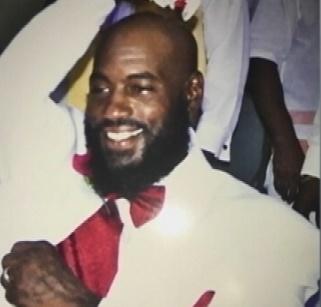
Christopher Joseph Sanfeliz, a 24-year-old personal banker from Tampa, Florida, tragically lost his life on June 12, 2016, during the mass shooting at Pulse, a popular gay nightclub in Orlando. Sanfeliz was one of the 49 victims who were killed in this horrific act of violence. The shooting, carried out by a lone gunman, Omar Mateen, was one of the deadliest mass shootings in U.S. history and was later classified as both a terrorist attack and a hate crime.
Mateen, who pledged allegiance to ISIS during the attack, was killed by police after a three-hour standoff.
Christopher Sanfeliz was remembered by friends and family as a kind and caring individual who always put others before himself. He worked at JPMorgan Chase in Tampa and was known for his positive attitude and dedication to his loved ones. His death, along with the other victims, sparked a nationwide outpouring of grief and calls for stronger gun control measures and increased protections for the LGBTQ+ community.
In the aftermath of the shooting, numerous investigations and legal actions were undertaken. The FBI conducted a thorough investigation into Mateen's background, motives, and potential connections to terrorist organizations. It was revealed that Mateen had been previously investigated by the FBI in 2013 and 2014 for possible ties to terrorism but was ultimately cleared. The investigation also examined the role of Mateen's wife, Noor Salman, who was later charged with aiding and abetting her husband's actions and obstruction of justice. Salman was accused of knowing about Mateen's plans and lying to authorities about her knowledge. However, she was acquitted of all charges in 2018 after a federal trial.
The Pulse nightclub shooting also led to several lawsuits. Survivors and families of the victims filed lawsuits against the gunman's employer and the gun shop that sold him the weapons used in the attack. These legal actions sought to hold these entities accountable for their alleged negligence in preventing the tragedy. Additionally, the city of Orlando and the owners of Pulse faced lawsuits from survivors and victims' families, claiming that inadequate security measures contributed to the high number of casualties.
Overall, the death of Christopher Joseph Sanfeliz and the other victims of the Pulse nightclub shooting highlighted significant issues related to gun control, terrorism, and the safety of the LGBTQ+ community. The tragedy prompted widespread discussions and legislative efforts aimed at preventing similar incidents in the future, ensuring that the memories of those lost, including Sanfeliz, continue to inspire change and progress.