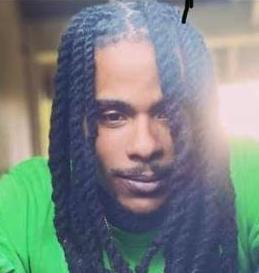
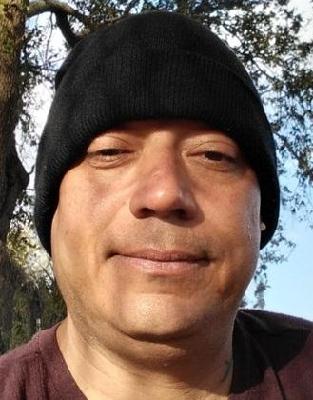
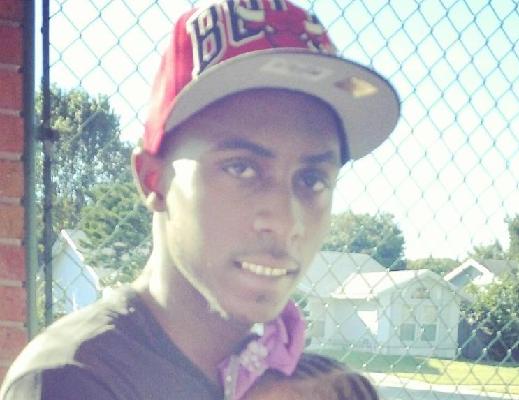
Rodney Alexander Jr., aged 35, tragically lost his life on April 12, 2019, in Orlando, Florida. The incident occurred in the early hours of the morning on North Westmoreland Drive. According to police reports, Alexander was found unresponsive in the middle of the road, suffering from a gunshot wound. Despite being rushed to a nearby hospital, he was pronounced dead shortly after arrival.
The circumstances leading to his death were captured by the city's surveillance camera system, known as the Innovative Response to Improve Safety (IRIS), which played a crucial role in the investigation.
The investigation revealed that the shooting stemmed from a confrontation between Alexander and James A. Chambers, a 26-year-old man with whom Alexander had a history of altercations. On the night of the incident, Alexander approached Chambers with his arms spread open, holding a Remy Martin bottle, indicating he was unarmed. However, Chambers retrieved a firearm from his waist and fired multiple shots at Alexander, who raised his hands in a defensive position before being struck and falling near the curb. Witnesses and an Orlando police officer corroborated the events captured by the IRIS camera, providing detailed accounts of the altercation.
James Chambers was subsequently arrested and charged with second-degree murder and two counts of attempted second-degree murder. He faced a judge shortly after his arrest and was held without bond at the Orange County Jail. The motive behind the shooting was linked to a previous physical altercation between the two men, with witnesses suggesting that Alexander intended to confront Chambers about the earlier incident. The case highlighted the impact of surveillance technology in aiding law enforcement and the complexities of personal disputes escalating into fatal encounters.
The legal proceedings against Chambers were closely followed, with the community expressing shock and sorrow over the loss of Rodney Alexander Jr. Both families involved were deeply affected, and local leaders emphasized the need for conflict resolution and community support to prevent such tragedies. The case underscored the importance of addressing underlying tensions and promoting peaceful interactions to avoid similar incidents in the future.