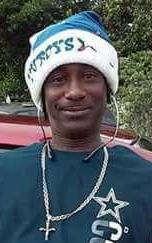
Raul Santos, a 32-year-old resident of Fort Lauderdale, Florida, tragically lost his life on February 9, 2020. The circumstances surrounding his death were initially unclear, prompting a thorough investigation by local authorities. Santos was found deceased in his home, and the nature of his injuries led investigators to suspect foul play. The community was shocked by the sudden and violent nature of his death, which spurred a significant police response and media coverage.
As the
investigation unfolded, it was revealed that Santos had been the victim of a targeted attack. Law enforcement officials identified several suspects in connection with his murder. The primary suspect, who had a known history of violent behavior, was apprehended shortly after the incident. This individual was charged with first-degree murder and several related offenses. The arrest was a significant development in the case, providing some measure of relief to Santos's family and the local community.
The legal proceedings that followed were closely watched by the public. The prosecution presented a compelling case, detailing the evidence that linked the suspect to the crime scene. This included forensic evidence, witness testimonies, and surveillance footage. The defense, however, argued that the evidence was circumstantial and sought to cast doubt on the prosecution's narrative. Despite these efforts, the jury ultimately found the suspect guilty of all charges.
In addition to the criminal trial, there were also civil litigations filed by Santos's family against the suspect. These lawsuits sought damages for the emotional and financial impact of Santos's death. The civil cases highlighted the broader implications of the tragedy, emphasizing the need for justice and accountability. The outcomes of these litigations further underscored the community's demand for a thorough and fair resolution to the case.
The investigation into Raul Santos's death also prompted a broader discussion about violence and safety in Fort Lauderdale. Community leaders and law enforcement officials pledged to take additional measures to prevent similar incidents in the future. This included increased police presence in high-risk areas, community outreach programs, and initiatives aimed at addressing the root causes of violence. Santos's death, while a devastating loss, served as a catalyst for positive change within the community.