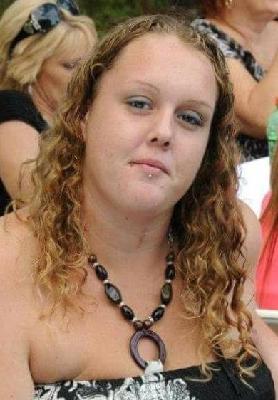
Barbara Tommey, a 27-year-old woman from Orlando, Florida, tragically lost her life on September 8, 2020. The incident occurred outside her workplace, the Navy Federal Credit Union, where she was fatally shot by her estranged husband, Sylvester Ofori. Ofori, a pastor at the Floodgates of Heaven International Ministries, confronted Barbara as she was heading to her car.
Surveillance footage captured the harrowing moments when Ofori approached her, pistol-whipped her, and then shot her multiple times, including in the head. Witnesses, including employees and customers of the credit union, testified to seeing the brutal attack unfold.
The couple had been experiencing significant marital issues, leading to their separation. Barbara had left Ofori due to his abusive behavior, which included physical violence. Just a day before the murder, Barbara's brother recorded a confrontation where Ofori threatened to kill her, a threat he unfortunately carried out. Despite her brother's pleas to involve the police, Barbara chose not to escalate the situation, a decision that tragically led to her death.
Following the murder, Ofori was arrested and charged with first-degree murder. The case garnered significant attention due to the nature of the crime and Ofori's position as a religious leader. During the trial, nearly a dozen people testified against Ofori, providing detailed accounts of the events leading up to and including the murder. The prosecution presented compelling evidence, including the surveillance footage and testimonies from witnesses and family members, which painted a clear picture of Ofori's premeditated actions.
In July 2024, after a lengthy legal process, Sylvester Ofori was found guilty of first-degree murder. He was sentenced to life in prison, with a mandatory minimum of 25 years for using a firearm in the commission of the crime. The trial and subsequent sentencing brought some measure of closure to Barbara's grieving family, who had been devastated by her loss. Her mother and father, in particular, were profoundly affected, with her mother unable to touch Barbara's bed for two years following her death. The family expressed hope that the life sentence would serve as a form of justice for Barbara and a deterrent to others who might commit similar acts of violence.