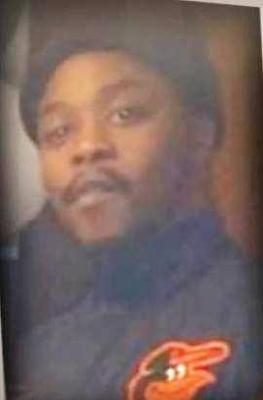
On a cold Friday in the heart of winter, the life of Lamont Raheem Mally, a 24-year-old Black man, was stolen by gunfire on a street in East Baltimore. The shooting occurred on January 29, 2016, in the 1200 block of North Patterson Park Avenue, a residential street bordering the city’s historic but often troubled Oliver neighborhood. Little is publicly known about Lamont or what brought him to that block on that particular day. What is known is that his death was one of many that contributed to one of the most violent years in Baltimore's history.
The year 2016 saw a near-record 318 homicides in Baltimore, a continuation of a dramatic spike in violence that began the year prior. The city was grappling with deep-seated issues of poverty, a proliferation of illegal guns, and a fractured relationship between the community and law enforcement. Homicides were heavily concentrated in a small number of neighborhoods, and the area where Lamont was killed was no stranger to such violence. The Oliver community, despite revitalization efforts over the years, still faced significant challenges with crime. On that January day, Lamont Mally became another statistic in a city overwhelmed by bloodshed.
Emergency medical services responded to the scene of the shooting, but Lamont’s injuries were too severe. He was pronounced dead, his future extinguished in a moment of violence. The Baltimore Police Department's homicide unit took charge of the investigation, a task that was immensely challenging for detectives working in a city with an unrelenting caseload. In many of these cases, investigators faced a persistent code of silence, where potential witnesses, fearing for their own safety or distrustful of the police, were reluctant to come forward with information.
The specific circumstances of Lamont’s shooting remain shrouded in mystery. There has been no public information released by authorities regarding a potential motive, any persons of interest, or what, if any, evidence was recovered from the scene. It is unknown if he was targeted or if he was the victim of a random act of violence. Without witnesses speaking out, and with a lack of forensic leads, many homicide cases from that era quickly went cold, leaving families in a painful state of limbo.
Years have passed since Lamont Mally was killed, and his case remains unsolved. No arrests have ever been made, and no suspects have been publicly identified. His name is listed on a long roll of victims from that brutal year in Baltimore, a stark reminder of the human cost of the city's gun violence epidemic. For his family, the passage of time has brought no answers and no justice. Their loss is compounded by the silence and uncertainty that surrounds his death.
The investigation into the murder of Lamont Raheem Mally is still officially open, though it is considered a cold case. His story represents one of hundreds of unresolved killings in Baltimore, each leaving a permanent void in the lives of families and communities. The memory of a young man’s life, cut short on a winter day, awaits the one piece of information that could finally lead to an answer and bring a measure of peace to those he left behind. As of November 2026, his case remains open and unsolved.