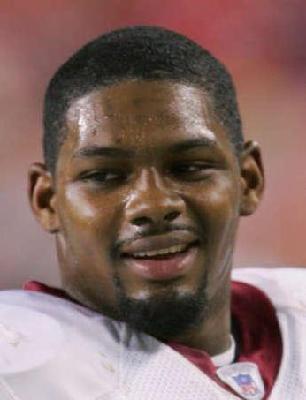
Kerry Jacques, a 33-year-old man from Miami, FL, was tragically killed in an ambush-style shooting on November 5, 2020. The incident occurred in the Little Haiti neighborhood, right behind the well-known Churchill’s Pub. Surveillance footage captured the brutal attack, showing multiple shooters emerging from a white Chevrolet Suburban and opening fire on Jacques.
The bright white bursts of muzzle flashes were clearly visible on the video, and the scene was littered with dozens of evidence markers placed by the police. Jacques, who had a lengthy criminal record including drug-related charges such as cocaine trafficking, was pronounced dead at Jackson Memorial’s Ryder Trauma Center shortly after the shooting.
The Miami Police Department launched an investigation into the murder, with Assistant Chief of Police Armando Aguilar stating that they believed there were at least three shooters involved in the attack. The police appealed to the public for any information that could help identify the perpetrators or locate the vehicle used in the crime. Despite the violent nature of the crime and the clear targeting of Jacques, the police emphasized that such brazen acts of violence affect the entire community and urged anyone with information to come forward.
Jacques' father, Fricot Jacques, expressed his grief and confusion over his son's death. He recounted hearing the gunshots and finding his son lying on the ground outside their home. The elder Jacques mentioned that he did not know what his son was doing outside at the time of the shooting. The community was left shaken by the incident, and the police continued to seek leads to bring the shooters to justice.
As of now, there have been no arrests or suspects publicly identified in connection with the murder of Kerry Jacques. The investigation remains ongoing, with the Miami Police Department and Miami-Dade Crimestoppers urging anyone with information to contact them. The case highlights the challenges law enforcement faces in solving violent crimes and the impact such incidents have on the victims' families and communities.