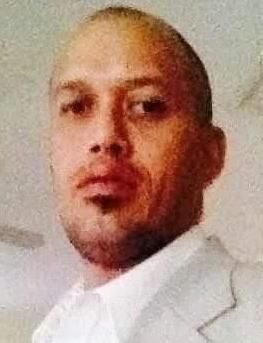
David Isaac Vega, a 44-year-old man from Ocala, Florida, was tragically shot and killed on November 15, 2020. The incident occurred early in the morning outside a residence on Northwest 16th Place. Ocala Police responded to a call about a shooting and found Vega lying near the carport of the home with an apparent gunshot wound. Despite efforts by an officer to revive him with CPR until EMS arrived, Vega was pronounced dead at the scene at 1:23 a.m. The residents of the home where Vega was found were not believed to be involved in the shooting, and the relationship between them and Vega remains unclear. The incident was considered isolated, with no indication of it being part of a broader pattern of crime.
The investigation into David Isaac Vega's death revealed that he had been shot once in the head. Witnesses reported hearing a loud "pop" before discovering Vega's body. A shell casing was recovered from the scene, and detectives began piecing together the events leading up to the shooting. It was determined that there had been a disagreement between Vega and another individual, Stanley Summers Jr., earlier in the day. This disagreement escalated, and later that night, Vega was allegedly shot by Summers.
Stanley Summers Jr., who was 45 years old at the time, was indicted by a grand jury on a charge of first-degree murder in connection with Vega's death. Summers was already in custody at the Marion County Jail on unrelated charges when he was indicted. During his first appearance hearing, it was noted that Summers could face the death penalty if convicted, although prosecutors later decided not to seek it. Summers maintained that he knew nothing about the shooting, despite evidence including witness statements, cellphone data, and surveillance video linking him to the crime.
The case against Summers was built on multiple pieces of evidence, including the testimony of witnesses who had seen the altercation between him and Vega, as well as forensic evidence from the scene. The grand jury's indictment marked a significant step in the legal proceedings, as it allowed the case to move forward to trial. Summers' defense argued that he did not have the financial means to hire a lawyer for his murder defense, leading the court to appoint a public defender to represent him.
David Isaac Vega's death was a tragic event that left a lasting impact on the Ocala community. The investigation and subsequent legal proceedings highlighted the complexities of the case and the efforts of law enforcement to bring justice for Vega and his family. The case remains a poignant reminder of the violence that can arise from personal conflicts and the importance of thorough investigative work in solving such crimes.