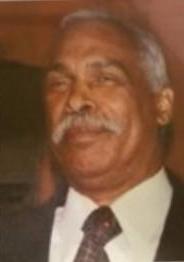
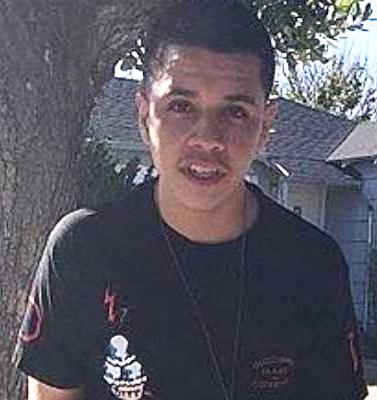
Matthew "Peanut" Johnson, a 16-year-old African American teenager, was fatally shot on September 27, 1966, in the Hunters Point neighborhood of San Francisco, California. The incident occurred when Johnson, along with two other teenagers, was joyriding in a stolen car. After the car stalled, the teenagers attempted to flee on foot. San Francisco Police Department (SFPD) officer Alvin Johnson pursued Matthew Johnson and, despite the teenager being unarmed, shot him in the back, resulting in his
immediate death. This tragic event took place in plain view of the surrounding housing units, sparking outrage and grief within the community.
The shooting of Matthew Johnson led to the Hunters Point social uprising, also known as the Hunters Point Riot or Rebellion. The community's response was swift and intense, with residents gathering at the scene and demanding answers. The unrest escalated as night fell, leading to three days of conflict involving the SFPD, California Highway Patrol (CHP), and the deployment of 1,200 National Guard troops by Governor Pat Brown. Martial law was imposed, and the area was placed under curfew. The uprising resulted in numerous injuries, arrests, and significant property damage, highlighting the deep-seated issues of poverty, unemployment, and racial segregation in the Hunters Point area.
In the aftermath of the shooting, the community's demand for justice and accountability was met with promises of an investigation. However, the official response was criticized for being biased in favor of the police. Officer Alvin Johnson, who fired the fatal shots, was not charged with any crime, and the incident was officially deemed a justifiable homicide. This lack of accountability further fueled the community's anger and mistrust towards law enforcement.
The Hunters Point uprising brought national attention to the systemic issues faced by African American communities in San Francisco and beyond. Despite the brief spotlight, the neighborhood continued to struggle with economic hardship and racial segregation in the following decades. The events surrounding Matthew Johnson's death remain a poignant reminder of the ongoing challenges in achieving justice and equality for marginalized communities.