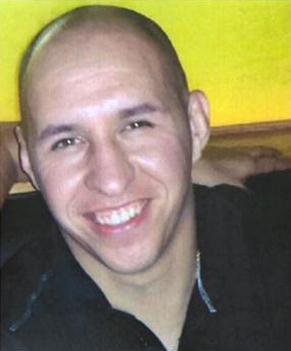
Robert Bloom Sr. was tragically killed on April 22, 1982, in Los Angeles, California. The circumstances surrounding his death were both shocking and complex, involving multiple family members and leading to a series of legal battles that spanned decades. On that fateful day, Robert Bloom Sr. was shot by his son, Robert Bloom Jr., in the front yard of their home. The incident did not end there; Bloom Jr.
then proceeded to enter the house, where he shot and killed his stepmother, Josephine Bloom, and his 8-year-old stepsister, Sandra Hughes. The brutal nature of these killings, particularly the stabbing of Sandra Hughes, who was stabbed 23 times with a pair of scissors before being shot, added to the horror of the crime.
The legal proceedings that followed were lengthy and complicated. Robert Bloom Jr. was initially convicted in 1983 and sentenced to death in 1984. However, this conviction was overturned in 1997 by a federal appeals court due to inadequate representation by his attorney, who failed to present evidence of Bloom Jr.'s mental impairment. During his second trial, Bloom Jr. was again convicted of first-degree murder for the killing of his father but faced a hung jury on the charges related to his stepmother and stepsister. Prosecutors eventually dismissed the premeditation allegations, leading to second-degree murder convictions for those killings.
In 2022, the California Supreme Court reversed Bloom Jr.'s death sentence, citing violations of his Sixth Amendment rights. The court upheld his first-degree murder conviction for the death of his father but overturned the second-degree murder convictions for the deaths of his stepmother and stepsister. The court's decision was based on the fact that Bloom Jr.'s defense attorneys had conceded his guilt for all three murders against his wishes, which violated his right to control his defense strategy. This ruling left open the possibility for prosecutors to retry Bloom Jr. for the murders of his stepmother and stepsister, although it was unclear whether they would pursue this option.
Throughout the trials, witnesses testified about the tumultuous relationship between Bloom Jr. and his father, including allegations of physical abuse and frequent arguments. The day before the killings, Bloom Jr. had reportedly called his father from a pay phone, threatening that his father would no longer control his life. These details painted a picture of a deeply troubled family dynamic that culminated in a tragic and violent outburst.
The case of Robert Bloom Sr.'s death remains a poignant example of the complexities and challenges within the criminal justice system, particularly when mental health issues and family dynamics are involved. The legal battles and reversals over the years highlight the ongoing struggle to balance justice, legal rights, and the pursuit of truth in such emotionally charged cases.