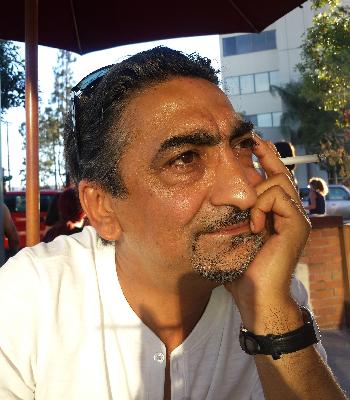
Charles Rambert, aged 31, tragically passed away on June 5, 1982, in Los Angeles, California. His death was a result of a violent incident that shocked the local community. According to reports, Charles was found deceased under suspicious circumstances, leading to an immediate investigation by the Los Angeles Police Department. The cause of death was determined to be a homicide, with evidence pointing towards foul play.
The investigation into Charles Rambert's death revealed several key
details. Authorities discovered that he had been involved in a physical altercation prior to his death. Witnesses reported hearing loud arguments and seeing suspicious individuals near the scene. The police collected forensic evidence, including fingerprints and DNA samples, which were crucial in piecing together the events leading up to his demise. Despite the efforts of law enforcement, the case remained unsolved for several years, with no immediate arrests made.
Over time, new leads and advancements in forensic technology brought renewed attention to the case. In the late 1980s, a breakthrough occurred when a suspect was identified through DNA evidence. The suspect, who had a prior criminal record, was apprehended and charged with the murder of Charles Rambert. The trial garnered significant media coverage, highlighting the persistence of law enforcement in seeking justice for Charles and his family.
The legal proceedings were lengthy and complex, involving multiple testimonies from witnesses and experts. The prosecution presented a compelling case, supported by the forensic evidence and witness accounts. The defense, however, argued that the evidence was circumstantial and questioned the reliability of the witnesses. After a thorough examination of the evidence, the jury found the suspect guilty of murder, resulting in a life sentence without the possibility of parole.
Charles Rambert's case remains a poignant reminder of the impact of violent crime on individuals and communities. His family, who had tirelessly advocated for justice, expressed relief and gratitude for the resolution of the case. The investigation and subsequent trial underscored the importance of advancements in forensic science and the dedication of law enforcement in solving cold cases. Charles's memory continues to be honored by those who knew him, and his story serves as a testament to the enduring pursuit of justice.