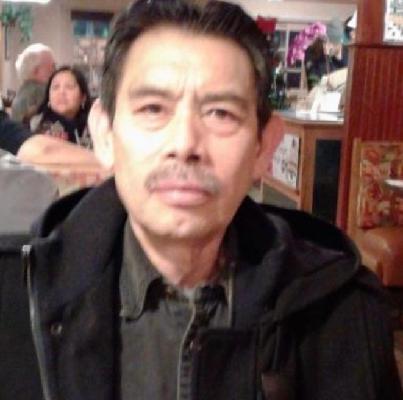
Haing Somnang Ngor, a Cambodian-born American actor and physician, tragically lost his life on February 25, 1996, in Los Angeles, California. Ngor, who had survived the horrors of the Khmer Rouge regime in Cambodia, was shot to death outside his home in Chinatown, Los Angeles. He was 55 years old at the time of his death. Ngor had gained international fame for his Oscar-winning role in the 1984 film "The Killing Fields," where he portrayed Cambodian journalist Dith Pran.
Despite his success in Hollywood, Ngor remained deeply committed to helping Cambodian refugees and advocating for justice for the victims of the Khmer Rouge.
On the evening of February 25, 1996, Ngor was returning home after visiting friends when he was ambushed in the parking lot of his apartment complex. He was shot in the chest with a 9mm handgun and found dead beside his car. Initially, the authorities did not believe the motive was robbery, as Ngor's wallet, containing nearly $3,000, was left untouched, and his Mercedes was still at the scene. However, it was later discovered that his expensive Rolex watch and a gold chain with a locket containing his late wife's photo were missing, suggesting a possible robbery motive.
The investigation into Ngor's murder led to the arrest of three members of the "Oriental Lazy Boyz" street gang. Tak Sun Tan, Jason Chan, and Indra Lim were charged with the murder. The prosecution argued that the gang members had targeted Ngor for his valuables. During the trial, it was revealed that the gang had a history of snatching purses and jewelry. The defense, however, suggested that Ngor's murder might have been politically motivated due to his outspoken criticism of the Khmer Rouge and his efforts to bring its leaders to justice. Despite these claims, the court found no concrete evidence linking the murder to political motives.
In 1998, Tak Sun Tan, Jason Chan, and Indra Lim were convicted of Ngor's murder and sentenced to life in prison without the possibility of parole. The case drew significant media attention, highlighting the tragic irony of Ngor surviving the brutal Khmer Rouge regime only to be killed in the streets of Los Angeles. Ngor's death was a profound loss to the Cambodian community and the world at large, as he had dedicated his life to raising awareness about the atrocities in Cambodia and supporting refugees. His legacy continues to inspire many, and his contributions to both the medical field and the arts are remembered with great respect.