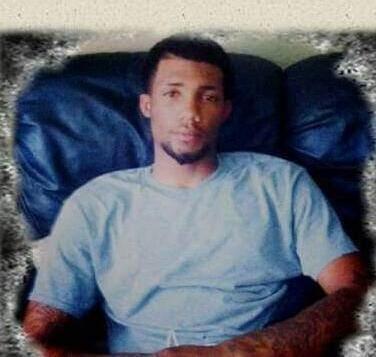
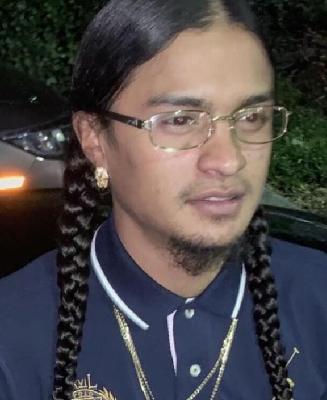
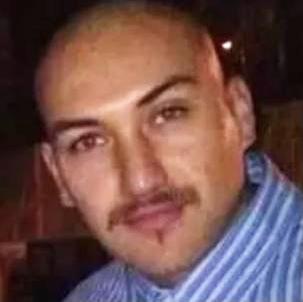
Darryl Anthony King-Divens Sr., a 27-year-old resident of Moreno Valley, California, tragically lost his life on April 8, 2014. He was the victim of a drive-by shooting while riding his bicycle on Hemlock Avenue in Riverside. The incident occurred in broad daylight, around 2:30 p.m., and was part of a series of violent events that plagued the area during that period.
The primary suspect in the case was Michael Earl Mosby III, who was already in custody in Los Angeles for unrelated crimes
when Riverside County investigators identified him as a suspect in King-Divens' murder. Mosby was involved in a gang-related crime spree in April 2014, which included multiple murders and other violent offenses. He was charged with the drive-by shooting of King-Divens, as well as other crimes committed in Los Angeles and Riverside counties.
Mosby's criminal activities extended beyond the murder of King-Divens. He was convicted of two counts of first-degree murder for the killings of Pedro Rodriguez and William Quezada in Los Angeles, along with several other charges, including attempted murder, robbery, and child abuse. These crimes were part of a larger pattern of violence and criminal behavior, including his involvement in a robbery-prostitution ring.
The legal proceedings against Mosby were extensive. He faced multiple charges in both Los Angeles and Riverside counties. In Los Angeles, he was sentenced to life in prison without the possibility of parole for his role in the murders of Rodriguez and Quezada. Additionally, he was charged with the murder of King-Divens in Riverside County, where the case was further complicated by allegations of racial discrimination in the decision to seek the death penalty against him.
The investigation into King-Divens' death revealed that Mosby had a history of violent behavior and gang affiliations. The prosecution argued that the killing was a calculated act of violence, part of Mosby's broader criminal activities. The case drew significant attention due to the nature of the crimes and the legal complexities involved, including the application of the California Racial Justice Act, which Mosby's defense team invoked to argue against the death penalty.
Overall, the tragic death of Darryl Anthony King-Divens Sr. highlighted the broader issues of gang violence and systemic challenges within the criminal justice system. The case remains a poignant reminder of the impact of violent crime on communities and the ongoing efforts to address these issues through legal and social interventions.