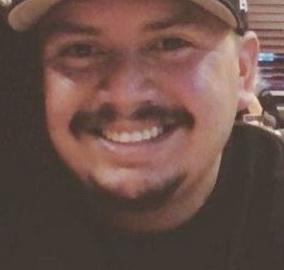
Humberto Soto, a 21-year-old Latino, tragically lost his life on July 23, 2015, after being shot near Naomi Avenue and East 22nd Street in the Central-Alameda neighborhood of Los Angeles. On the night of July 22, Soto and a friend were returning from a taco stand when they paused at the intersection to decide whose house to visit. At around 11:30 p.m., more than one person emerged from an alley and shouted at them. As Soto turned to look, a gunman opened fire.
His friend managed to escape and informed Soto's family about the shooting. Soto was rushed to a hospital, where he was pronounced dead shortly after midnight on July 23.
The investigation into Soto's murder revealed that the shooting was unprovoked and appeared to be a random act of violence. The Los Angeles Police Department (LAPD) launched an investigation, urging anyone with information to come forward. Despite efforts to gather leads, the case remained unsolved for some time. Detectives from the Newton Division were assigned to the case, and they appealed to the public for assistance, offering anonymity to those who wished to provide tips through Crime Stoppers.
As the investigation progressed, the LAPD faced challenges in identifying the suspects involved in Soto's murder. The lack of immediate witnesses and concrete evidence made it difficult to make arrests. The community's reluctance to come forward with information further hindered the investigation. Despite these obstacles, the detectives continued to pursue leads and follow up on any tips received.
In the months following Soto's death, his family and friends held vigils and memorials to honor his memory and keep the case in the public eye. They hoped that increased awareness would lead to new information and ultimately, justice for Humberto Soto. The LAPD remained committed to solving the case, emphasizing the importance of community cooperation in bringing the perpetrators to justice.
The case of Humberto Soto's murder highlights the challenges law enforcement faces in solving violent crimes, particularly when community members are hesitant to come forward with information. It also underscores the impact of such tragedies on the victims' families and communities, who continue to seek closure and justice for their loved ones.