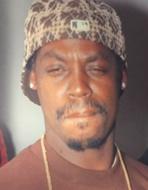
DeWayne Parham Jr., a 42-year-old resident of Los Angeles, California, tragically lost his life on July 31, 2016. The incident occurred in the Harvard Park neighborhood, specifically in the 6200 block of Harvard Boulevard. On that fateful day, Parham was attending a barbecue and was engaged in grilling when an argument broke out between Curtis Ray Weaver and another individual.
Parham, known for his peacekeeping efforts, intervened to de-escalate the situation and even drove the other man home to prevent further conflict. Upon his return, Weaver confronted Parham, brandishing a firearm. Despite Parham's attempts to calm Weaver and urge him to put the gun down, Weaver shot Parham once in the stomach and then again in the back after he had fallen to the ground. Parham was rushed to a hospital but succumbed to his injuries.
The investigation into Parham's death led to the arrest of Curtis Ray Weaver, who was later charged with first-degree murder and being a felon in possession of a firearm. During the trial, it was revealed that Weaver had fled the scene in his vehicle and was apprehended nearly a month later in Wilmer, Alabama. The prosecution presented compelling evidence, including witness testimonies and recordings of jail calls where Weaver attempted to identify and intimidate potential witnesses. Despite the defense's efforts to highlight inconsistencies in the testimonies, the jury found Weaver guilty after deliberating for just 30 minutes. Weaver was convicted of first-degree murder and faced a sentence of 50 years to life in prison.
Parham's death not only highlighted the senselessness of gun violence but also underscored the impact of his loss on the community. He was a father of six and was actively involved in gang intervention work, striving to make his neighborhood a safer place. The conviction of Weaver brought a sense of closure to Parham's family, who had endured the pain of losing a loved one to violence. The case also served as a reminder of the importance of community efforts in preventing such tragedies and the need for continued support for those affected by violent crimes.