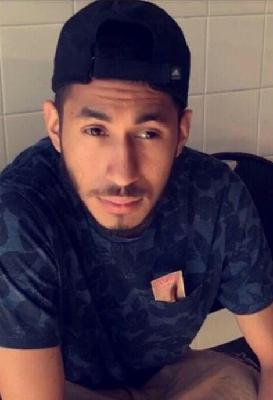
Tavin Terrel Price, a 19-year-old from Los Angeles, was tragically shot and killed on May 29, 2015. The incident occurred around 11 a.m. at a self-service car wash near 3312 W. Florence Ave. in Hyde Park. Price was with his mother and a family friend when a man approached him and confronted him about his red shoelaces. The confrontation quickly escalated, and the gunman, described as a black man in his late teens or early 20s, pulled out a gun and shot Price.
Despite his mother's attempt to chase the gunman, he managed to escape. Price was rushed to a hospital but was pronounced dead during surgery at 12:46 p.m. Price, who had a mental disability, was not affiliated with any gang, making the incident even more senseless and tragic.
The investigation into Price's murder led to significant developments. A woman who was with the gunman at the time of the shooting was arrested and charged with aiding and abetting, although her name was not released. The case drew considerable attention, and the Los Angeles Police Department sought witnesses to help solve the crime. The Criminal Gang Homicide Division was heavily involved in the investigation, emphasizing the community's need to come forward with any information.
In the subsequent legal proceedings, three gang members were implicated in Price's murder. Kanasho Shadrick Johns, Kevin Deon Johnson, and Dwight Smith were identified as the perpetrators. Johns, who was said to have fired the fatal shots, and Johnson were both sentenced to 50 years in prison. Johns received an additional three years for being a felon in possession of a firearm. Smith, who testified against Johns and Johnson, pleaded guilty to manslaughter and faced a potential 12-year sentence. The courtroom proceedings were highly emotional, with Price's mother, Jennifer Rivers, expressing her grief and anger at the loss of her son. The trial highlighted the devastating impact of gang violence on families and communities.
The murder of Tavin Terrel Price underscored the ongoing issue of gang-related violence in Los Angeles. Despite the decline in the prevalence of gang colors, such symbols can still provoke deadly confrontations. Price's death, over something as trivial as the color of his shoelaces, served as a stark reminder of the senselessness of gang violence. The community mourned his loss, and his family continued to advocate for justice and peace, hoping to prevent similar tragedies in the future.