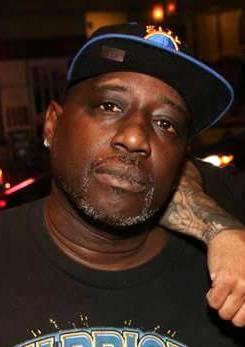
Reginald D. Blackburn Jr., aged 48, was tragically shot on December 7, 2016, in Oakland, California. The incident occurred in the 1100 block of East 17th Street, just a day before his birthday. Blackburn was shot in the back, with the bullet exiting through the front of his abdomen. Despite being rushed to Highland Hospital and undergoing surgery, he succumbed to his injuries seven days later.
His dying declaration, captured on a police officer's body camera, identified "Anthony" as his shooter. This crucial piece of evidence pointed to Anthony Paige, a 32-year-old man with a prior felony voluntary manslaughter conviction.
The confrontation that led to Blackburn's death began when Paige allegedly punched Blackburn's son in the face. Blackburn confronted Paige about the incident, leading to a physical altercation during which Paige pulled out a gun and shot Blackburn. The prosecution argued that Paige shot Blackburn to avoid losing a fight in front of his friends. Three eyewitnesses, including Blackburn's son, identified Paige as the shooter. However, the defense contested these claims, arguing that it was physically implausible for Paige to have shot Blackburn in the back while they were facing each other. The defense suggested that Paige's cousin, "Brad," was the actual shooter, aiming to protect Paige.
Anthony Paige was eventually found guilty of second-degree murder after a day and a half of jury deliberation. The trial included testimonies from multiple witnesses and the presentation of Blackburn's dying declaration. Despite the defense's efforts to cast doubt on Paige's guilt, the jury convicted him, and he was sentenced to 60 years to life in prison. The case highlighted the dangers of testifying in murder cases in Oakland, as one witness initially willing to testify later hesitated due to threats.
Blackburn's death had a profound impact on his family, including his longtime girlfriend and four children. His girlfriend described him as a dedicated father and home care provider, emphasizing the emotional and practical void his death left in their lives. The case underscored the ongoing issues of violence and the challenges of seeking justice in Oakland.