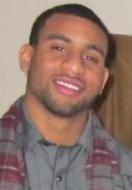
Brandon Dashon Tatum, a 23-year-old man from Los Angeles, California, was tragically shot and killed on January 11, 2017. The incident occurred around 9:30 p.m. in the 6100 block of South Harvard Boulevard in the Harvard Park neighborhood. According to the Los Angeles County coroner’s records, Tatum was walking southbound on South Harvard Boulevard when one or more individuals approached him and began shooting.
The attackers may have fled to a vehicle, but the police did not have a description at the time. Tatum was pronounced dead at the scene at 9:44 p.m.
The investigation into Tatum's death revealed that he was not affiliated with any gang, although the police considered the possibility that the suspects might have been gang members. The Los Angeles Police Department's Criminal Gang Homicide Division took charge of the case, urging anyone with information to come forward. Despite these efforts, the case remained unsolved for some time, with no immediate arrests or suspects identified.
The area where Tatum was killed, Harvard Park, had been experiencing a surge in violence, with multiple homicides occurring in the vicinity. This neighborhood, known for its gang activity, had seen an increase in homicides, making it one of the deadliest places for African Americans in Los Angeles County at the time. The rivalry between the Bloods and Crips gangs contributed to the high level of violence, although not all victims, including Tatum, were gang members.
As the investigation continued, the community and law enforcement faced challenges in solving the case due to the lack of witnesses and concrete evidence. The police continued to appeal to the public for any information that could lead to the identification and arrest of the perpetrators. The case of Brandon Tatum's murder highlighted the broader issues of gang violence and the difficulties in addressing such crimes in neighborhoods plagued by poverty and a culture of silence.