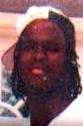
Donald LaRay “Jackpot” Mosley was a 23-year-old Black man from New Orleans, Louisiana, and he died on Wednesday, July 14, 2010. In the wake of his passing, the city that raised him was left holding a familiar kind of silence—the kind that settles after news spreads, after phones stop ringing for a moment, after people sit down and try to make sense of the sudden absence of someone who should still be here.
In the days that followed, grief moved through his community in the way it
often does in New Orleans: not only as sorrow, but as gathering. People came together to remember him as Donald, as “Jackpot,” as a son and a loved one whose name carried meaning in more than one circle. There was the ache of what was lost, and also the instinctive pull to honor him properly—because in a place where memory is sacred, you don’t let a life pass without being spoken aloud, held up, and carried home with care.
A homegoing celebration was arranged for Saturday, July 24, 2010, at Fischer Community Church on LB Landry Avenue. The morning was planned with visitation in the hour before the service, offering a final chance for those who loved him to stand close, to look one last time, to whisper what they never got to say, or simply to be present when words were too small. Afterward, he was to be laid to rest at Restlawn Cemetery in Avondale, a resting place chosen not just for burial, but for the promise that he would not be forgotten—his name anchored in the earth, his story carried forward by the people who knew him.
Even amid planning and prayer, there were the inevitable shadows that follow a death when details are scarce. The public information available did not describe what happened, where it occurred, or the circumstances that led to his death. There were no publicly documented accounts, in the information provided, of any investigation steps, arrests, identified suspects, or courtroom outcomes. That kind of absence can leave a different kind of hurt—an unanswered space that loved ones must live around, a blank page where clarity should be.
What is known is that he was not the first in his family to be mourned, and that grief had already visited the people who loved him. He was preceded in death by his two great-grandmothers, Willie Mae Overton and Willie Mae Hill—names that suggest roots, history, and the steady presence of elders who shape a family long before they are gone. Their passing, and his, draw a line through generations—reminding everyone left behind how fragile time can be, and how precious it is to speak a person’s name with tenderness.
And so, what remains is the portrait formed by remembrance: a young man taken too soon, a community gathering around the ones he left behind, a church filled with voices and tears, and a final journey to rest in Avondale. In the absence of public details about accountability or legal outcomes, the heart of his story in the information provided becomes the love that surrounded him at the end—the decision to honor him, to bring people together, and to mark his life with ceremony, dignity, and grief that proves he mattered.