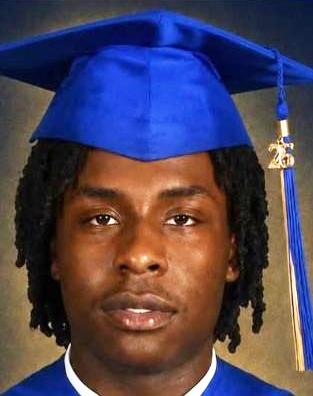
Brian Combs was a 34-year-old White male from New Orleans, Louisiana, and whatever happened to end his life left a silence that feels louder than any answer. In a city known for its music, its neighborhood stories, and the way families hold tight to one another, the loss of a person is never just a statistic. It is an empty chair, a phone that no longer rings, a set of memories that suddenly becomes both a comfort and a sharp ache.
The details available here are painfully few, and that
absence itself becomes part of the story. When information is limited, grief tends to fill the gaps with questions that won’t sit still: what were his last ordinary moments like, who saw him last, what did he hope for next, what should have been different. With so little to hold onto, those who cared about him are left to carry not only sorrow, but uncertainty, and that kind of weight can stretch a loss into something that lingers in every quiet corner of the day.
What can be said, without reaching beyond what’s been provided, is that Brian’s death mattered because his life mattered. He was a man rooted in a place with deep ties and strong identity, and even if the public narrative is incomplete, the private one is not. There are people who knew his laugh, his habits, his favorite routines, the way he looked when he was thinking, the small ways he showed up. Those are the things that don’t make headlines, but they are the threads that make a person real, and they’re the threads left behind when someone is gone.
No information has been provided here about an arrest, a suspect, or the progress of any investigation. That kind of void can be its own wound, because answers do more than satisfy curiosity; they can give shape to mourning, and shape can make survival possible. Without clarity, every new day can feel like reopening a door that should have been closed gently, with understanding and finality, instead of left swinging in the wind.
And still, the heart insists on remembrance. The story of Brian Combs, as told by what is known here, is not about a neatly explained ending. It is about a life cut short and the ripple it sends through everyone who loved him, worked beside him, crossed paths with him, or carried him in their thoughts. In the wake of a loss like this, people hold on to what they can: the fact that he existed, that he belonged to New Orleans, that he was here, and that he should be spoken of as more than the moment he died.
If more details ever come to light, they might explain what happened. But even without them, the most honest truth remains that Brian’s death left real people with real pain, and that pain deserves care, patience, and the dignity of not being reduced to rumor or guesswork. His name deserves to be said plainly, and his absence deserves to be acknowledged for what it is: a life ended, and a space that cannot be filled, only carried.