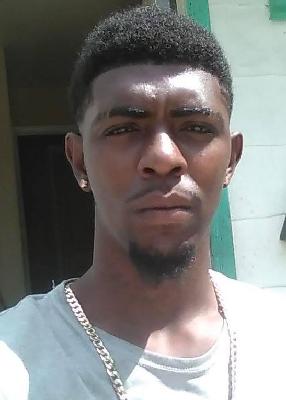
Darren Smart, an 18-year-old Black male from Baton Rouge, Louisiana, was shot to death on a Thursday night in North Baton Rouge after what police believed was a targeted attack rather than a random burst of violence. It happened around 7:30 p.m. outside a friend’s house in the 4700 block of Bradley Street, just off Winbourne Avenue, where Darren was sitting outside talking with friends in the kind of ordinary moment that usually passes unnoticed until it’s gone.
According to
investigators, two men approached on bicycles, rode past the group, and opened fire. The sudden crack of gunshots sent everyone scrambling for cover, turning a calm evening into chaos in seconds. Police indicated they believed the shooting was connected to an altercation that had occurred the week before, though Darren’s family insisted he had nothing to do with whatever conflict had set events in motion. In their view, it was the cruel math of proximity and association—being near the wrong situation, near the wrong people, at the wrong time—because bullets don’t choose who they hit.
In the aftermath, Darren’s loved ones were left balancing grief with the exhausting need for answers. His mother pleaded publicly for anyone who saw something to come forward so she could have closure, while relatives spoke about the fear that a dispute meant for someone else can spill outward and steal a life that never belonged to it. The search for the shooter carried an extra weight, because the family believed the person who pulled the trigger was known in the neighborhood, known by name, and that someone out there could help police put the pieces together.
Darren’s death also cut through a future that was already taking shape. He was expected to turn 19 the following month, and he was looking ahead to fatherhood, anticipating the birth of his baby boy in December—a son he planned to name Jace. Away from the headlines, the details of his life spoke of youth and community: he was remembered as “Dude,” a senior at Istrouma High School who enjoyed the outdoors, hunting and fishing, and who was surrounded by people who said he was loved.
Public reporting about the case focused on the circumstances of the shooting and the call for witnesses, but it did not describe any arrests, charges, trials, or convictions connected to Darren’s killing. The appeal for information remained central, urging anyone with knowledge of the shooters—especially the two men seen on bicycles—to contact authorities and help bring accountability to the violence that ended his life.