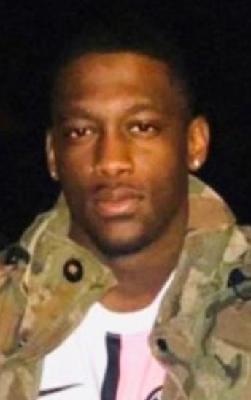
Tommy Harrell, 23, a Black man from New Orleans, Louisiana, was killed in a late-afternoon burst of violence on Sunday, November 27, 2011, when gunfire tore through the Lower 9th Ward near the intersection of Tupelo Street and North Villere Street. Police described it as a double murder: Harrell and another young man, Deimani Titus of Baton Rouge, were found shot to death inside a white vehicle, the scene quiet except for the aftermath and the urgent search for answers.
In the days that followed, grief settled heavily over the people who loved him. A published obituary remembered Tommy Lee “Duddie” Harrell as a young father and a son with a large, close family circle—survived by his daughter, Acire Riley Harrell, along with parents, siblings, grandparents, and many relatives and friends who gathered to mourn him in early December.
As for why the two men ended up shot inside that vehicle, the public record from the initial reporting offered little comfort: investigators had not released a motive, and no suspect information was made public at the time. The case was treated as an active homicide investigation, with authorities urging anyone who knew what happened—or who saw the vehicle, the gunfire, or the moments leading up to it—to come forward.
No arrests or charges were announced in the reporting tied to the identification of the victims, leaving the story to hang on the unanswered questions that so often follow a sudden, public killing: who was close enough to strike, what drew them there that afternoon, and what someone out in the neighborhood might still remember—something small, maybe, but sharp enough to cut through the silence.