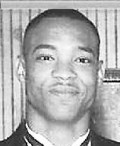
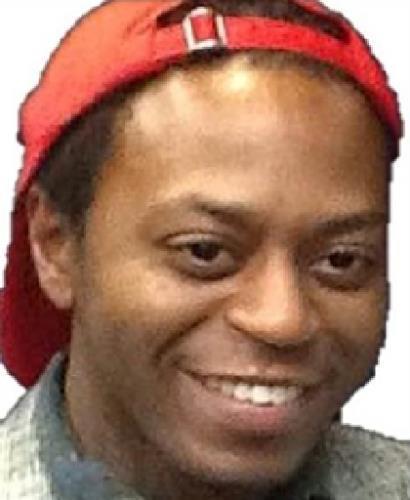
Timothy Willie Russell Jr., a 32-year-old Black man from New Orleans, Louisiana, died on March 22, 2012. The fact of his death is simple in print, but the weight of it is carried in the long list of people who had to go on living after that date—people whose lives were permanently rearranged by the sudden silence where his voice used to be.
He was a son, first and always, and his family named that bond clearly: Timothy Willie Russell Sr., Barbara Johnson, Vickie Russell, and Aaron Johnson. Those are the names that speak to where he came from, the hands that held him in the beginning, the home that shaped him, and the people who would feel the loss in the most intimate way. The grief didn’t stop there. It spread outward through brothers and sisters—Sara Johnson, Jasmine Perry, Stephanie Russell, and Kenneth and Aaron Johnson Jr.—a reminder that he wasn’t a single thread but part of a larger weave, tied into so many lives that could never be the same again.
He was also a father, and that word carries its own kind of ache here. His children, Timothy Rashid Williams and Kaylee Rae Johnson, were named as part of his story, as if to make sure the world knew that his life extended beyond himself. Whatever else people might have known or not known about him, the truth that mattered most is that he left behind two children who would grow up with questions and milestones shadowed by the absence of their dad. There are losses that you can explain, and there are losses that simply become part of who you are. For a child, a parent’s death is not a single moment—it is something that returns again and again, quietly, at birthdays, graduations, and ordinary days when you want to share something and realize you can’t.
His family also spoke of the generations that held him, naming grandparents who mourned him—Rose and Gerald Johnson, Cecelia Williams, and Timothy Russell. That, too, tells a story. There is something especially heavy about elders laying a young man to rest, about a family watching its timeline break out of order. And then there were the countless others whose grief might not have been captured in headlines but was no less real: aunts, uncles, nieces, nephews, cousins, and friends—people who likely carry their own memories of him in small, vivid fragments, the kind that flash in the mind without warning: a laugh, a habit, a look, the way he walked into a room, the sound of his name being called.
A homegoing was planned for him in the city that was his home. On Saturday, March 31, 2012, family and friends were to gather at Firehouse Ministries on South Scott Street in New Orleans. Visitation was set for the early morning hours, a time when the day is still tender and quiet, as if the world itself understands it should move gently. The service followed soon after, with Pastor Sherman Shelton officiating, guiding those who came to say goodbye through prayers, stories, tears, and the hard work of standing together when one person’s loss feels too large to hold alone.
After the service, Timothy was to be laid to rest at Resthaven Memorial Park in New Orleans. Cemeteries are places where grief becomes physical—where loss has an address you can return to, where love has to learn how to exist without presence. For those who loved him, the walk from sanctuary to graveside would have been the final passage of that day: the last time his name was spoken over him in that way, the last time they could do something for him that felt like a gesture of care, even as everything else had already been taken beyond their control.
What remains, in the information given, are the contours of a life seen through the eyes of family: the relationships that defined him, the community that gathered around him, and the solemn tenderness of a homegoing that tried to honor who he was and what he meant. Even without the details of how he died, the truth of what his death did is unmistakable. It left a gap in a family tree, in a circle of friends, and in the lives of two children who will carry his name and his memory forward in their own way, for the rest of their lives.