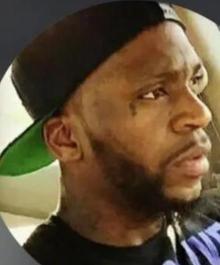
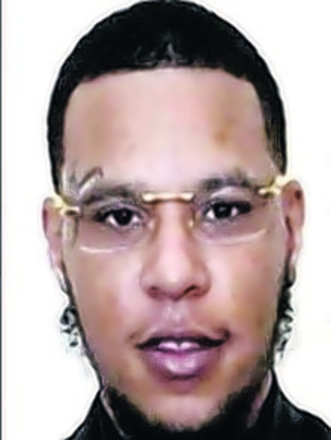
Allen Dorsey was a 54-year-old Black man from New Orleans, Louisiana, whose death left a heavy silence in the place that shaped him and the people who loved him. In a city where families are often stitched together by neighborhood streets, shared history, and the familiar cadence of everyday life, his passing marked the kind of loss that doesn’t just touch one household—it ripples outward, through friends, relatives, and anyone who ever knew his name or crossed his path.
He was
rooted in New Orleans, the kind of person whose identity isn’t easily separated from home. A life like his is carried in the small details people remember later: the sound of his voice, the way he showed up, the look someone gives when they realize they won’t see him again. When someone dies at fifty-four, it can feel especially cruel—old enough to have stories and responsibilities, young enough that there still should have been time. Time for more ordinary mornings, more conversations that didn’t need to be rushed, more chances to sit back and take in the world he’d already survived and helped others survive, too.
For those who knew him best, the grief would have arrived in waves—shock first, then the slow, aching understanding that the absence is permanent. There is a particular kind of sorrow that comes with losing someone who is part of the familiar fabric of life, someone whose presence was a constant in a world that changes too fast. It’s the kind of loss that makes people replay memories like they’re searching for a place to put the pain: a laugh heard years ago, a moment of kindness that seemed small at the time, a look exchanged that now feels like a final message.
New Orleans has a way of remembering its own. Even when names fade from headlines or official records, the city holds onto the people who belonged to it—through family stories, through the way someone’s name is spoken at a kitchen table, through the way a neighborhood pauses when one of its own is gone. In that kind of remembering, Allen Dorsey’s life matters just as much as his death: the days he lived, the relationships he built, the impact he had in ways that never needed to be documented to be real.
And so his story remains, not as a list of facts, but as a human life that ended and was mourned. A man from New Orleans, taken from his community at fifty-four, leaving behind the kind of grief that is both personal and shared—the kind that lingers long after the first condolences have been spoken, long after the immediate questions have quieted, and long after people realize that what they miss most is simply the everyday certainty that he was still here.