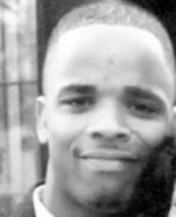
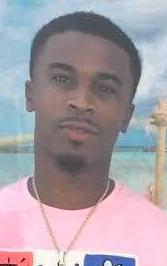
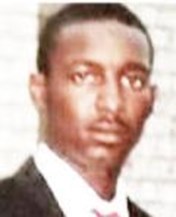
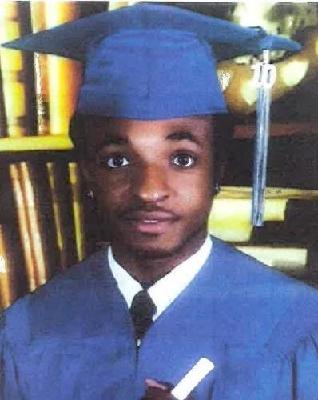
Kevin Earin was a Black man, 49, from New Orleans, Louisiana.
He is now spoken of in the past tense, and that simple shift can feel unreal to the people who knew him best. New Orleans is a place where streets remember you—where a familiar face becomes part of a neighborhood’s rhythm, where routines form quietly over years, and where a person’s absence can echo louder than their footsteps ever did. Kevin belonged to that living texture of the city, and his death left a space that cannot be filled by explanations that never arrive.
When someone dies violently, the story of their life is too often replaced by the story of their last moments. But Kevin’s name deserves more than a moment. It deserves to be said with the weight of who he was to others—the person someone called when they needed help, the person someone expected to see again, the person whose laughter or habits or presence had become part of ordinary days. The grief that follows a loss like this does not move in a straight line. It comes in waves: the shock that refuses to settle, the anger that searches for somewhere to go, the quiet ache that rises in the middle of a normal afternoon when something reminds you of him.
In the wake of his death, what remains is the hard reality that people are left holding questions alongside their sorrow. There is a particular cruelty in uncertainty, the way it keeps a wound from closing. It forces loved ones to live in fragments—memories on one side, unanswered details on the other—while the world continues to spin as if nothing has changed. The need to understand, to make sense of what happened, becomes its own kind of vigil.
New Orleans knows how to mourn, but it also knows how to keep going, and those two truths can exist in the same breath. Somewhere, people are still saying Kevin’s name softly, still replaying conversations, still remembering the last time they saw him, still wishing they had one more chance to hear his voice. A death like his is not only a loss of a life; it is a rupture that spreads outward—through family, friends, neighbors, and every place he was expected to return to.
What can be said with certainty, even when details are scarce, is that Kevin mattered. He was not just a name attached to a tragedy. He was a person with a place in the world, and his absence is felt by those who loved him in ways that cannot be measured. The days after a loss like this are made of small acts of endurance—getting through mornings that feel impossible, answering messages that hurt to read, walking past places that now carry a different meaning, trying to hold onto the truth that remembering him is not the same as being able to bring him back.
And so the story that remains is a human one: a life cut short, a community altered, and a circle of people who carry him forward in memory. Even when the answers are incomplete, the love does not disappear. It turns into remembrance, into spoken stories, into the stubborn refusal to let his name fade into silence.