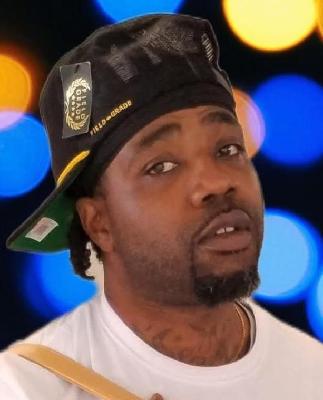
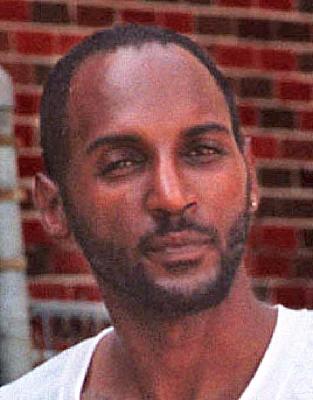
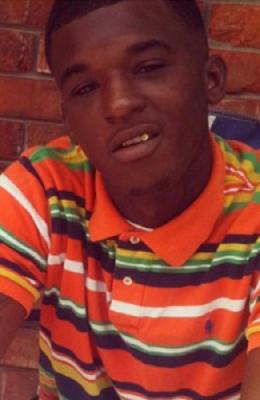
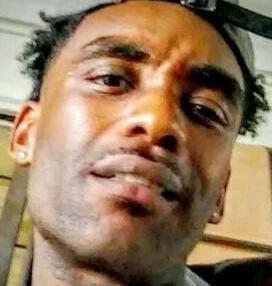
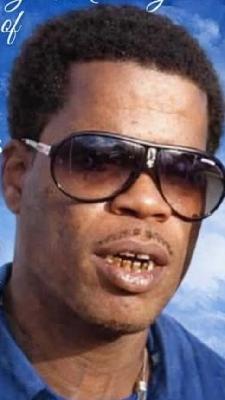
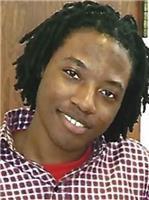
Eugene George was a 31-year-old Black man from Baton Rouge, Louisiana. On Thursday, November 29, 2012, he died at 7:15 p.m., and what followed was the kind of sudden, heavy silence that spreads through a family before anyone even finds the right words to explain what happened.
In the wake of his death, the story that emerged wasn’t told through courtroom updates or televised press conferences. It was told the way many real lives are remembered—through the people who loved him and the places that held him. He was connected to Baton Rouge, and also to New Roads, a hometown thread that never really loosens even when life carries you elsewhere. Those closest to him were left to carry the weight of a goodbye they didn’t expect, leaning on faith, tradition, and each other to make it through the first unbearable days.
A community gathered around the rituals of mourning—visitation, a church service, the familiar cadence of prayers and condolences, and the steady presence of relatives and friends who show up because love requires showing up. He was laid to rest at Southern Memorial Gardens, a final place of quiet after the shock of losing him. For those left behind, grief didn’t arrive as a single moment. It arrived in waves: in the planning, in the waiting rooms, in the hymns and embraces, in the long drive home afterward when the world looks the same but feels entirely different.
What stands out most in the information available is not a detailed account of how Eugene died, but the outline of the life that continued through him—especially in the relationships he held closest. He was engaged to Latasha Maloid, and he left behind children and family who had to wake up the next morning to a world that no longer included his voice, his laugh, his habits, his presence. Those bonds—fiancée, children, parents, relatives—are the details that make his death more than a date and a time. They are the proof of the life that was there, fully lived and deeply woven into others.
And when it comes to the questions people naturally ask in the aftermath—whether someone was arrested, whether there were suspects, whether there was a case that moved through the courts—there simply aren’t public details available in the information provided. No names of suspects surface here, no charges or trials, no clear account of what led to his final hours. That absence can be its own kind of ache, because it leaves room for speculation but offers no solid ground for answers. What remains instead is the human truth at the center of it all: a man gone too soon, a family altered forever, and a community that tried, in the only ways it knew, to honor him and hold each other up when words fell short.