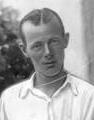
Johnny Earl Jackson, a 53-year-old resident of Los Angeles, California, tragically lost his life on December 19, 2020. According to the Los Angeles County Medical Examiner-Coroner's records, Johnny was fatally shot near 2131 S. Orange Drive in the Mid-City area of Los Angeles. The incident occurred in the evening, and despite efforts to save him, he succumbed to his injuries at the scene.
Johnny's death was a significant loss to his family and the community, as he was remembered for his vibrant personality and contributions to local sports during his youth.
The investigation into Johnny Earl Jackson's death revealed that he was a victim of a targeted shooting. The Los Angeles Police Department (LAPD) launched an extensive investigation to identify and apprehend the perpetrator(s) responsible for this heinous crime. The case drew considerable attention from the media and the public, given the circumstances and the location of the incident. The LAPD's Homicide Division worked tirelessly, following leads and gathering evidence to bring justice to Johnny and his family.
In the months following the incident, the LAPD made significant progress in the case. They identified a suspect, Charvasea Anthony Taylor, a 20-year-old male, who was subsequently arrested and charged in connection with Johnny's murder. The arrest was a crucial development in the case, providing some measure of relief to Johnny's grieving family. The legal proceedings against Taylor included multiple court appearances, where evidence was presented, and testimonies were heard. The case highlighted the challenges and complexities involved in solving violent crimes in urban areas.
The trial of Charvasea Anthony Taylor brought to light various aspects of the case, including the motive behind the shooting and the events leading up to the tragic incident. Prosecutors argued that the shooting was premeditated and that Taylor had a clear intent to harm Johnny. The defense, on the other hand, presented arguments aimed at mitigating the charges. The trial was closely followed by the community and the media, reflecting the broader concerns about gun violence and public safety in Los Angeles.
Ultimately, the court found Charvasea Anthony Taylor guilty of the charges related to Johnny Earl Jackson's murder. The verdict was seen as a step towards justice for Johnny and his family, although the pain of their loss remained. The case underscored the importance of community cooperation with law enforcement and the need for continued efforts to address the root causes of violence in the city. Johnny's memory lives on through the stories and memories shared by those who knew and loved him.