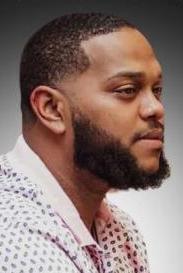
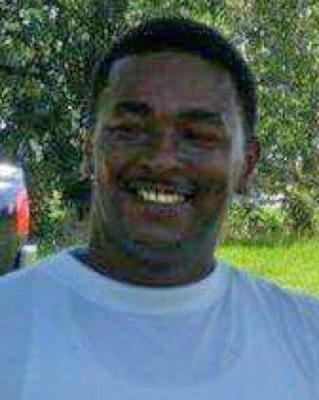
Braden Larvadain, a 35-year-old Black / African American man from Baton Rouge, Louisiana, died after he was shot multiple times on December 16, 2014. The details that have been shared paint a grim, abrupt picture: he was found in a parking lot with multiple gunshot wounds, the kind of place people pass through without thinking until a moment like this turns it into a permanent point on someone else’s timeline.
Emergency help came, and he was taken to a hospital, but despite efforts to save him, he did not survive.
There is a particular ache that clings to a death like this, because the story doesn’t end where it should. It ends mid-sentence. A man’s life is reduced, in the public record, to a date, a location, and the stark words multiple gunshot wounds. Behind that cold outline is everything that never makes it onto a line of text: the sound of his voice, the routines he kept, the people who expected him to walk through a door again, the ordinary plans that suddenly became impossible because violence arrived first. For those who loved him, the loss isn’t abstract. It isn’t a headline. It is a missing presence at tables and on holidays, a silence where laughter used to be, a permanent, bruising question mark.
What makes the grief heavier is the lingering uncertainty surrounding who did this and why. From the information provided, there is no clear public accounting of arrests, named suspects, charges filed, trials held, or convictions reached. That absence carries its own cruelty. It leaves the people who cared about Braden suspended between mourning and waiting, longing not only for comfort but for clarity—some explanation that might help them fit the pieces together enough to breathe again. When there is no publicly known suspect, no courtroom moment where the truth is laid out, the mind can’t help circling the same questions, replaying the last known facts, trying to fill in blanks that should never have existed.
And yet Braden Larvadain deserves to be remembered as more than the way he died. He was not simply a victim found in a parking lot. He was a person, a son, a friend, perhaps a brother or a partner—someone whose life mattered long before that December night. Even when the public details are thin, even when the record is incomplete, the weight of his death is real, and so is the impact it left behind. The people who knew him carry that weight forward every day, and the unanswered nature of the case only deepens the wound.
Until there is accountability—until there is a name attached to the violence and a clear path through the justice system—this story remains unfinished. For those left behind, the hope is not only for justice in the legal sense, but for the kind of truth that allows grief to settle into remembrance instead of endlessly reopening itself. Braden’s death marked a moment of terrible finality, but the search for answers, and the insistence that his life was worth more than a line in a record, is a way of refusing to let that finality be the only thing the world knows about him.