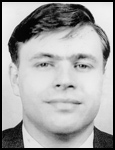
On September 13, 1971, 52-year-old Corrections Sergeant Edward T. Cunningham, a male, tragically lost his life amidst the violent culmination of the Attica Prison riot in Attica, New York. A 22-year veteran of the New York State Department of Correctional Services, Cunningham was one of several correctional officers held hostage by inmates who had seized control of the facility four days earlier in a protest for more humane living conditions.
The standoff reached a bloody conclusion when state troopers and correctional officers stormed the prison to regain control.
During the chaotic and violent assault to retake the prison, Sergeant Cunningham was fatally wounded by gunfire. In the immediate aftermath, state officials erroneously reported that the slain hostages had been killed by the inmates. However, subsequent autopsies revealed that Sergeant Cunningham and other hostages had died from gunshot wounds inflicted by the law enforcement officers who were retaking the prison. The entire riot resulted in the deaths of 43 individuals, including both correctional staff and inmates, marking it as one of the most deadly prison riots in United States history.
In the years following the riot, the specific individuals responsible for Sergeant Cunningham’s death were never charged. Investigations and legal battles ensued, focusing on the use of excessive force by the state and the conditions that led to the uprising. While the leader of the riot was never charged for his role in the insurrection, he was later convicted of separate violent crimes after his release from prison. In 1976, the governor of New York pardoned several inmates who had been convicted of crimes committed during the riot and granted blanket immunity to the police officers involved in the retaking of the prison, leaving many questions about individual accountability for the deaths that occurred unanswered. The state of New York eventually reached a settlement with the families of the deceased correctional officers, as well as with inmates who survived the assault.