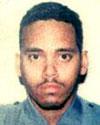
In the pre-dawn hours of April 28, 1973, in the South Jamaica neighborhood of Queens, New York, ten-year-old Clifford Glover, a Black fourth-grader, was walking with his stepfather, Add Armstead. The two were heading to the junkyard where Armstead worked when an unmarked car carrying two plainclothes New York City police officers, Thomas Shea and Walter Scott, pulled up beside them. The officers were investigating a recent taxi robbery and believed the pair matched the suspects' descriptions.
Fearing they were about to be robbed themselves, Glover and his stepfather began to run.
What happened next would ignite a firestorm of controversy and outrage. Officer Shea, a 13-year veteran of the force, pursued them on foot and fired three shots, one of which struck the 90-pound boy in the back. Clifford Glover died a short time later at a nearby hospital. Shea would later claim that he believed the boy had a gun and had pointed it at him, a claim that was central to his defense. Despite an extensive search of the area, no weapon was ever recovered.
The shooting of the unarmed child led to the indictment of Officer Thomas Shea on a charge of second-degree murder, the first time in half a century that an on-duty NYPD officer faced such a charge. His partner, Walter Scott, was also implicated when a radio transmission recorded a voice saying, 'Die, you little bastard,' though Scott denied it was him. Shea’s trial in June 1974 was closely watched, set against a backdrop of simmering racial tensions. The jury, composed of eleven white members and one Black member, deliberated for less than a day before acquitting Shea of murder.
The verdict was met with immediate and widespread fury in the South Jamaica community. Protests and riots erupted, leading to dozens of injuries and arrests as residents clashed with police, expressing their deep-seated anger over what they viewed as a racially motivated killing and a miscarriage of justice. In the wake of the criminal trial, both Shea and Scott faced an internal NYPD departmental trial. They were found guilty of wrongfully using deadly force and providing false statements, resulting in their dismissal from the police force. The city later reached a modest civil settlement with Clifford Glover's family.