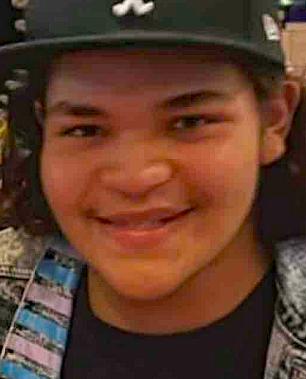
Pariyarathu Varghese was a 32-year-old man who had only just begun to find his footing in New Rochelle, New York, when violence found him first. A native of India, he had come to America the year before to marry, and he was in only his second week as an electrician at Neptune Worldwide Moving Company, starting his mornings like anyone else—quietly, with tea—while the building woke up around him.
Valentine’s Day, February 14, 1977, began with routine motion: trucks at docks, drivers collecting routes, offices filling, the normal hum of work. Then a suspended employee, Frederick Cowan, arrived armed and carrying a private storm. He moved through the hallways with a rifle and additional weapons, firing into the first people he encountered and sending workers scrambling for closets, bathrooms, and desks—anywhere that could hide them from the sound of bursts and the sudden thud of bodies.
As Cowan stalked deeper into the building, he demanded to know where his supervisor was, cursing the name and promising to kill him. In the frantic crosscurrents of people running, freezing, and dropping to the floor, Varghese tried to get away from the danger closing in from the stairwell area. Cowan saw him and shot him near the back stairwell, killing him at the scene before moving on, still hunting for the man he blamed for his suspension.
Outside, police lines formed in minutes, but the scene turned into a siege rather than a clean rescue. Officers and federal agents assembled a search-and-rescue team and pushed in through a rear entrance, sweeping offices and storage spaces, calling out as they found the living—some trembling and unable to move, others wounded and waiting in silence. In that first grim search, responders located multiple people hiding or injured and brought them out, while the dead—Varghese among them—were discovered where they had fallen, turning the corridors into a map of Cowan’s path.
Hours dragged by with the city’s attention pinned to the warehouse. Cowan, barricaded on an upper floor, occasionally surfaced through the telephone—at one point demanding food and insisting he wanted it simply dropped at the door. Negotiators tried to keep him talking; his parents were brought to the scene to plead for surrender. Yet the standoff held, broken only when frightened employees slipped out one by one from bathrooms and hiding places, reporting that others might still be trapped inside.
There was no arrest, no courtroom reckoning, no trial to answer for what happened to Varghese and the others. When an assault team finally moved in and reached the suspected stronghold, they found Cowan dead from a gunshot wound that appeared self-inflicted, a handgun still in his grasp—ending the siege but leaving the questions behind, sealed by the one person who could have fully explained his decisions.
In the aftermath, investigators pursued what they could: a search warrant at Cowan’s home revealed an arsenal of weapons-related materials and a cache of Nazi and white-supremacist items that, to detectives, put a grim frame around the day’s brutality. The evidence pointed to a man steeped in extremist ideology and grievance, but it could not change the central fact of the case: the sole identified suspect was Cowan himself, and his death closed the legal path that might otherwise have followed—leaving Varghese’s story as one of a new life interrupted, a workplace turned battlefield, and a killer who escaped judgment by his own hand.