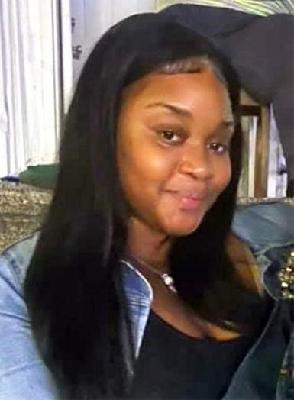
Valentina Francesca Suriani, 18, female, White/Caucasian, was close to home in the Bronx late on April 16, 1977, when an ordinary night turned into the kind of terror that makes a city feel unsafe even in its own quiet corners. She and Alexander Esau sat in a parked car on a service road along the Hutchinson River Parkway, the hour creeping toward 3 a.m., the roadway nearly empty—until gunfire shattered the stillness. A nearby resident heard the shots and called police.
When help arrived, Suriani was dead at the scene, and Esau, gravely wounded, would die later.
In the broken glass and blood, investigators found something that made the moment even darker: a letter left behind for the police, addressed to NYPD Captain Joseph Borrelli. It wasn’t just a taunt—it was a signature, the first time the killer openly introduced the name that would soon dominate headlines and nightmares across New York: “Son of Sam.” The letter signaled that the shooter was watching the coverage, feeding off the attention, and escalating from violence to spectacle.
At the time, there was no immediate arrest. Detectives worked the scene, chased leads, and compared evidence, and the gun used in the attack was linked to earlier shootings—suggesting a single predator moving through the city’s boroughs. The case around Suriani’s death became part of a widening pattern: couples or companions in cars, late hours, sudden shots, little chance to see the attacker clearly, and a sense that the killer could appear anywhere.
The break came months later. On August 10, 1977, police arrested David Berkowitz in Yonkers and charged him in the string of shootings associated with the “Son of Sam” name. He ultimately pleaded guilty to multiple murders committed during the spree and received life sentences with the possibility of parole after serving the minimum term required by law, cementing him as the lone person convicted for the killings, including the attack that ended Suriani’s life. Over the years, Berkowitz would offer shifting explanations—claims of demonic influence, later admissions that such stories were false, and periodic insinuations that others might have been involved—but no additional suspects were convicted in connection with the murder.