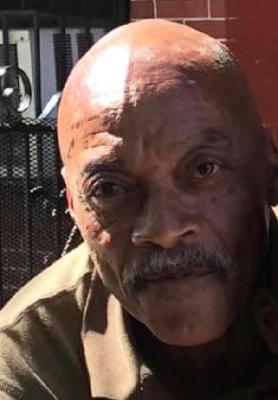
On the morning of April 29, 1981, James Bennett, a 65-year-old male, was gunned down in a Brooklyn street, a fatal event that was the culmination of his involvement as a government witness in a significant drug conspiracy case. As he left his daughter's home, two assailants chased him down and shot him, silencing him permanently just as he was scheduled to provide crucial testimony in court.
Bennett was the sole witness who could directly link Richard Mastrangelo to the purchase of four trucks that were later seized by federal narcotics agents, laden with a substantial quantity of marijuana and methaqualone tablets. His testimony before a grand jury on April 2, 1979, detailed the suspicious nature of the truck sale and included a tape-recorded conversation from February 1, 1979, in which Mastrangelo made statements that could be interpreted as threats to deter Bennett from cooperating with authorities.
The trial for which Bennett was to testify began on April 27, 1981. His murder two days later led to the immediate declaration of a mistrial for Mastrangelo. The court strongly suspected Mastrangelo's involvement in the killing, noting he was the only individual who stood to gain from Bennett's death. This suspicion led to a subsequent legal battle over the admissibility of Bennett's grand jury testimony in a new trial.
In a later evidentiary hearing, testimony from James Bennett's nephew, Joseph Bennett, and another witness, Nicholas Berardi, suggested Mastrangelo's prior knowledge of a plot to eliminate the key witness against him. Ultimately, the court found that there was a preponderance of evidence indicating Mastrangelo's complicity in the murder. This finding was significant as it constituted a waiver of his Sixth Amendment right to confront his accuser, allowing the court to admit James Bennett's grand jury testimony in the subsequent trial. Mastrangelo was ultimately convicted on charges of conspiracy to possess with intent to distribute controlled substances, importation of controlled substances, and obstruction of justice. While the men who pulled the trigger were not explicitly named in the legal documents, the orchestration of the murder was firmly attributed to Richard Mastrangelo as a means to silence a witness.