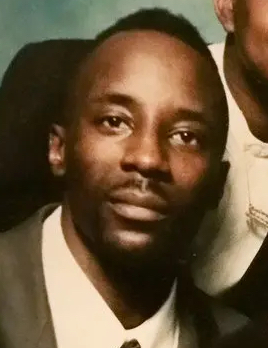
In the shadowy landscape of 1980s Brooklyn, a young man named Ronald Saka, at the age of 23, found his life tragically cut short. On April 11, 1983, he became another victim in the brutal reign of the Gambino crime family's notorious DeMeo crew. Saka, a male, was targeted by the crew due to a deeply rooted fear that he might become a cooperating witness for law enforcement, a betrayal punishable by death in their violent code of conduct.
The DeMeo crew, a faction infamous for their
ruthlessness and efficiency in carrying out murders, operated with a chilling professionalism. While the specific details of Saka's final moments remain shrouded in the secrecy that defined the crew's operations, his death was a direct consequence of their paranoia and determination to protect their criminal enterprise. The crew, led by the feared Roy DeMeo, had a reputation for making individuals who were perceived as threats simply disappear. Their methods were often gruesome and designed to eliminate any trace of their victims, a grim practice that instilled fear throughout the criminal underworld and beyond.
The investigation into the DeMeo crew's vast criminal activities eventually led to the downfall of many of its members. Through a series of indictments and trials in the mid to late 1980s, federal prosecutors were able to secure convictions against key figures of the crew on charges ranging from racketeering to multiple counts of murder. While these legal proceedings brought an end to the DeMeo crew's reign of terror, the specific case of Ronald Saka's murder was one among many that highlighted the crew's brutal efficiency. The trials revealed a pattern of violence and a complete disregard for human life, with potential witnesses like Saka being silenced before they could ever speak to the authorities.
Despite the successful prosecution of the DeMeo crew for their extensive criminal conspiracy, which included numerous murders, the specific individuals directly responsible for carrying out the murder of Ronald Saka were not publicly singled out or convicted specifically for his death. His case became one of a long list of victims attributed to this violent faction of the Gambino crime family. The story of his demise serves as a chilling reminder of the reach and ruthlessness of organized crime in New York City during that era, where the mere suspicion of disloyalty could, and often did, result in a death sentence carried out in the dark corners of Brooklyn.