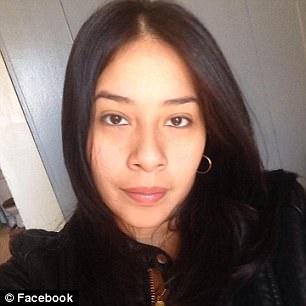
On December 19, 1995, the holiday rush was building in the Pelham Parkway section of the Bronx, where Little Chester Shoes sat busy on White Plains Road near the Bronx Zoo. Inside, Maria Carrasquillo, a 38-year-old woman, was shopping with her two sons when the ordinary noise of customers and clerks was shattered by a gunman who had come in under the pretense of looking for a particular kind of footwear.
Investigators said the man had been in the store before, appearing to ask about a
specific sneaker or boot as if he were only browsing, but police believed he was actually planning a robbery. Late that morning, he returned and the encounter turned suddenly vicious—witnesses and investigators described him erupting after being told the store didn’t have what he wanted in his size, and one account recalled him snapping, “You should have given me those sneakers,” just before he opened fire. A 9mm pistol came out in a crowded store, and shots tore through the aisles and behind the counters. By the time the gunfire stopped, five people were dead, including Carrasquillo and her sons, along with the store owner’s wife and another man. Three other people were reported critically wounded.
As panic poured into the street, the shooter forced a hostage with him as he fled. Police confronted him outside, and a gun battle followed. He was shot and wounded during the confrontation and captured a short distance away, with officers seizing the weapon they said had been used in the massacre. In the immediate aftermath, authorities described the case as a botched robbery attempt that turned into a slaughter, and they worked to piece together the moments inside the store—where, according to later courtroom accounts, the gunman fired methodically through the space, moving through the shop and continuing the attack even as victims tried to hide.
The suspect was identified as Michael Vernon, then 22, and he was formally charged while hospitalized in a prison ward. Prosecutors pursued a sweeping set of accusations that included murder and multiple violent felonies tied to the shootings, the hostage-taking, and the wounded survivors. A grand jury later returned a wide-ranging indictment that included dozens of counts spanning murder, attempted murder, and assault, and he was held without bail as the case moved forward.
As details of Vernon’s background surfaced, reports described a history of severe mental illness, with family members saying he had schizophrenia and had been on medication, and officials faced scrutiny over whether warning signs had been missed. One report said he had previously confessed to another killing while in custody months earlier, and that the admission had not been acted on; police officials publicly promised to investigate that breakdown and consider discipline if the account proved true. Investigators also said he confessed from his hospital bed after the shoe-store murders and claimed involvement in other killings as well.
The case eventually went to trial, where Vernon’s mental state became a major point of contention, including arguments that he was not responsible because of insanity. Prosecutors, however, presented the massacre as a planned robbery that spiraled into execution-style violence, and the jury ultimately convicted him of the killings and additional charges connected to the wounded victims. He was sentenced to spend the rest of his life in prison without the possibility of parole, closing the courtroom chapter but leaving the story of that day fixed in the Bronx—an afternoon when a routine trip into a neighborhood shoe store ended in sudden, irreversible loss.