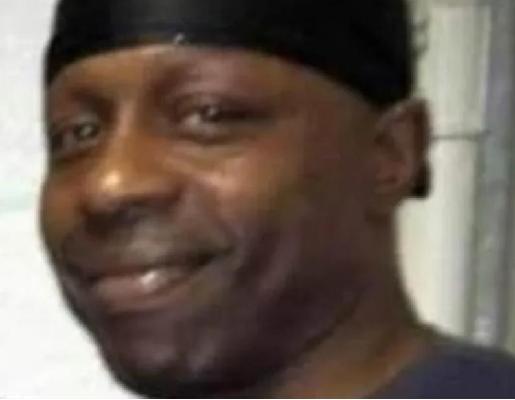
Albert Kotlyar, a 32-year-old man, a Ukrainian immigrant from Brooklyn, was killed in the first light of March 10, 2003, while working the night shift at the Laundry King laundromat on Atlantic Avenue in Bedford-Stuyvesant. When he was found behind the counter where he worked, it was clear the encounter had been brutally brief: he had been shot once, the kind of close, final shot that leaves almost no chance to call for help.
Investigators moved through a scene that didn’t read like a typical holdup—cash and money that would normally vanish in a robbery were still there—while a shell casing and the business’s security video hinted that whoever did this had come in alone, used the restroom, and then walked to the counter to fire. Outside, detectives collected small, ordinary objects that can become lifelines in a case, including a discarded coffee cup, hoping prints or DNA might speak when witnesses could not.
At the time, the killing felt less like an isolated act than the newest beat in a widening rhythm of early-morning executions. Police formed a task force and chased a working theory that more than one person might be involved, describing suspects who appeared focused on shooting rather than stealing, leaving registers untouched even as they left bodies behind. The common threads were chillingly consistent: victims struck in the face or head, attacks unfolding at quiet hours, and evidence pointing toward the same. 40-caliber handgun in multiple scenes—an emerging signature that made the city’s small storefronts and late-night counters feel exposed.
As the investigation tightened, the laundromat murder became a turning point, helping detectives connect what had seemed like separate horrors into a single spree. Ballistics work tied casings to one weapon, and investigators leaned hard on surveillance footage and lab work, trying to put a name to the figure moving through grainy video frames. The sense of randomness—men killed without a demand, without a struggle, without any clear reason—turned fear into routine for shopkeepers and clerks who worked alone, especially in the hours when the city is quiet enough to hear the bell over a door.
The break came at the end of March, when Larme Price, a Brooklyn man, was taken into custody after confessing to the series of shootings. Police said he admitted to killing four foreign-born men and that he described his motive as a desire to kill people he believed were of Middle Eastern descent in revenge for the September 11 attacks—an explanation that, even then, didn’t neatly match the lives he had taken. In accounts later attributed to Price, he claimed the laundromat killing began with a moment of perceived disrespect, after being told he could not remain inside unless he was actually doing laundry—an everyday exchange, in his telling, twisted into a reason to shoot.
Prosecutors pursued the case as a serial-killing prosecution, and Price ultimately pleaded guilty in Kings County Supreme Court on November 19, 2003, admitting to shooting five strangers in separate incidents in February and March 2003, killing four of them. On February 11, 2004, he was sentenced to life in prison without the possibility of parole; the sentence was later upheld on appeal. For Kotlyar’s family, co-workers, and the customers who had seen him working that counter, the case closed not with the kind of motive that makes sense, but with a name, a conviction, and the heavy certainty that the person who walked into that laundromat and fired would not be coming back out into the city again.