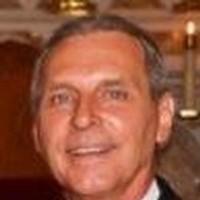
Michael “Mikey” Renshaw, 51, a White male from the Herkimer area, died on March 13, 2013, when an ordinary day in the Mohawk Valley turned into a rolling nightmare of sudden gunfire. A longtime corrections officer known to family and friends for putting the people he loved first, he had built a life around work, home, and community—until violence found him in a place where no one expects to meet the end of their story.
That morning, investigators said a local resident, Kurt Myers, set a fire at his Mohawk apartment and then walked into John’s Barber Shop nearby. What happened next was described as chillingly abrupt: after a brief exchange, he opened fire with a shotgun, killing two customers and seriously wounding two others. The quiet villages on opposite sides of the river—places where people recognize one another in parking lots and wave from porches—were suddenly flooded with sirens and frantic phone calls.
From there, authorities said Myers drove to Gaffey’s Fast Lube in Herkimer. In the middle of a routine stop—oil, tires, errands, the small logistics of the week—Renshaw was shot and killed alongside an employee, Thomas Stefka. News accounts described him as a customer at the business, caught in the path of a gunman who had already left devastation behind and was not finished yet.
The manhunt tightened quickly. Police tracked Myers to an abandoned building—reported as the former Glory Days bar—where a tense standoff stretched through the afternoon and into the night. By the following morning, officers moved in; investigators said Myers fired as they entered, killing a police dog, and was then shot and killed by law enforcement. With the suspect dead at the scene, there were no later arrests, charges, trials, or convictions tied to Renshaw’s death—only the sudden end of the spree and a community left to absorb what had happened.
In the aftermath, the motive remained murky in early reporting, and neighbors described the suspect as a loner, someone people noticed without truly knowing. For Renshaw’s family, the public headlines narrowed a full life into a single violent moment, while those who knew him remembered the larger picture: years of steady work, deep ties to loved ones, and the kind of everyday presence that doesn’t seem remarkable until it’s gone.