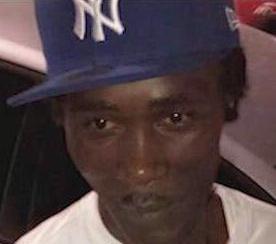
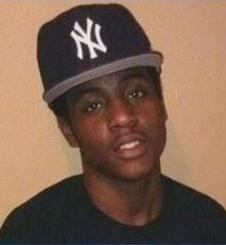
In the early hours of July 4, 2016, a road rage incident in the East New York neighborhood of Brooklyn escalated into a fatal encounter for Delrawn Small. The 37-year-old Black man was with his girlfriend and children when their vehicle and another car, driven by off-duty NYPD officer Wayne Isaacs, had a contentious interaction on Atlantic Avenue. Believing Isaacs had cut him off in traffic, Small approached Isaacs's vehicle at a red light at the intersection of Atlantic Avenue and Bradford
Street. Within moments of reaching the officer's car, Small was shot three times by Isaacs. The entire tragic event unfolded in front of Small's family.
Surveillance footage of the incident became a crucial piece of evidence, though its grainy quality led to conflicting interpretations of the moments just before the shooting. Initially, it was suggested that Small had punched Officer Isaacs before the shots were fired. However, the video appeared to show Small being shot almost immediately upon reaching the car window, stumbling backward, and collapsing. Isaacs, who was 38 years old at the time of the incident, remained at the scene. He later claimed that he fired his weapon in self-defense, stating that Small had punched him and threatened his life.
The investigation into Delrawn Small's death was taken over by the New York State Attorney General's office, marking the first time the special prosecutor handled a case involving an unarmed civilian killed by a police officer under a new executive order. Officer Wayne Isaacs was subsequently indicted and went on trial, facing charges of second-degree murder and manslaughter. In November 2017, a jury acquitted Isaacs of all charges, a verdict that was met with outrage and grief from Small's family.
Following his acquittal in criminal court, Wayne Isaacs remained an officer with the NYPD, though he was placed on non-enforcement duty. The case continued to be a focal point for demands of police accountability. Years after the shooting, in late 2025, the case saw further developments as the NYPD moved to dismiss departmental charges against Isaacs, a decision that was met with strong opposition from Small's family and elected officials who continued to advocate for his termination from the police force.